The Forecast First 7-Day Challenge: Outsmart the Weather, Cut Carbon

What’s the Challenge? For 7 days straight, check the weather forecast before you go to bed or start your day — then make one tiny plan adjustment based on it. That’s it. One check. One choice. Every day. This simple habit helps you save energy, reduce waste, prevent unnecessary trips, and become more climate-aware — all while supporting Sustainable Development Goal 13: Climate Action. How to Join the Forecast First Challenge Check the Weather DailyUse your phone, smart assistant, or…
Care for a Corner: A 5-Minute Habit to Make Your City More Livable

A Simple Act with Visible Impact! You don’t need to organize a big cleanup or start a formal program to make a difference in your city. You just need 5 minutes a week to care for one small public spot near your home or workplace. This could be a sidewalk corner, a bus stop, a tree base, or a neglected planter. Your job? Just keep it clean, tidy, and a little greener. It's easy, cost-free, and impactful. This micro-action supports SDG…

Breathe Easy: A Simple Daily Habit to Improve Your Health

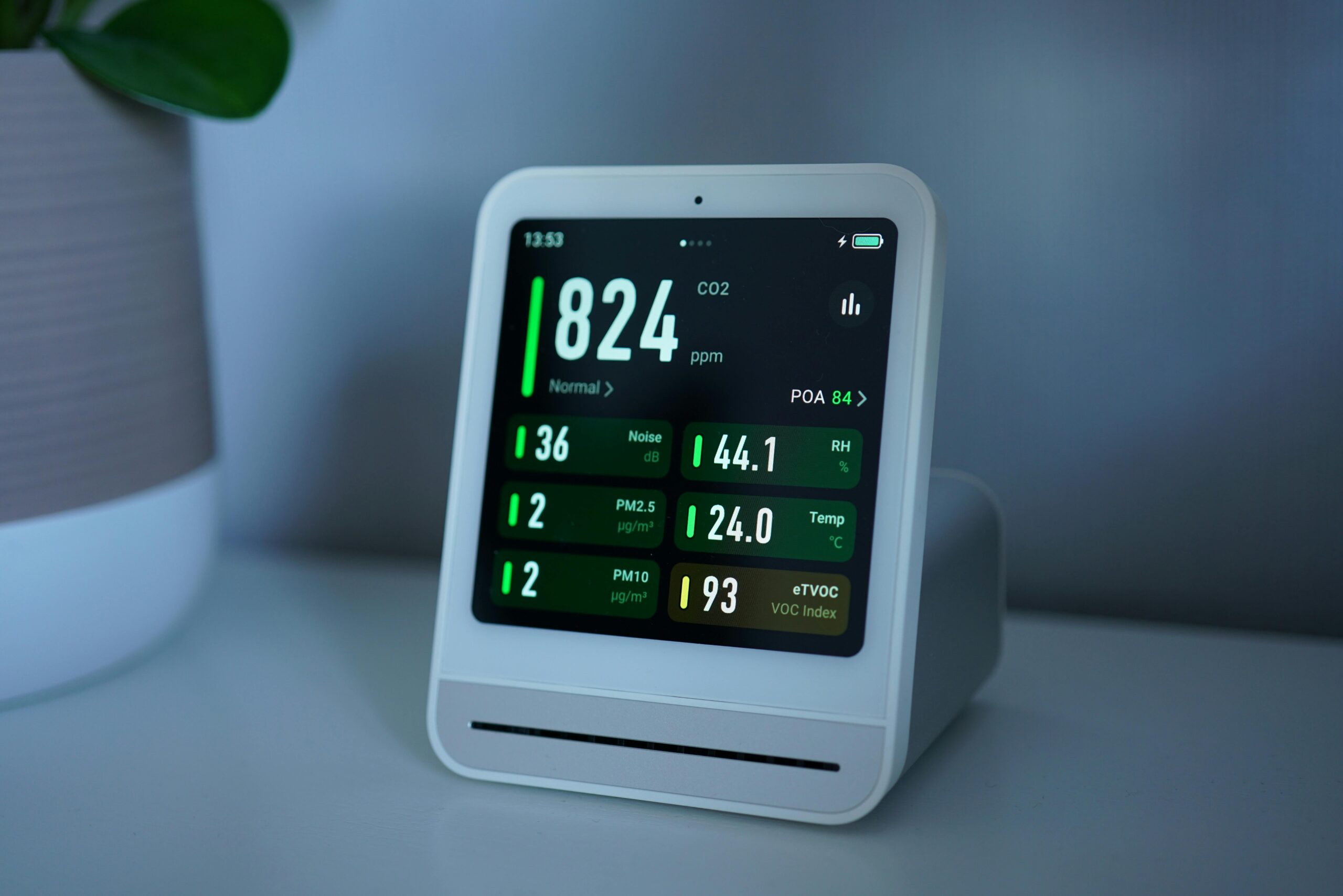
Why Indoor Air Quality Matters for Your Health and the Planet We often think of outdoor air pollution as the main problem, but indoor air can be even more harmful. On average, people spend about 90% of their time indoors—at home, work, or school—breathing recycled air that can accumulate pollutants like dust, mold, carbon monoxide, volatile organic compounds (VOCs), and airborne viruses. Poor indoor air quality has been linked to respiratory diseases, allergies, and even…

Log It, Don’t Toss It: One Small Habit to Rewild Your Yard

Why Leaving Fallen Branches Can Help Save Biodiversity Every time we “tidy up” our gardens by tossing fallen branches or twigs, we remove what could become valuable wildlife habitat. By creating a simple log pile in a quiet corner of your outdoor space, you offer shelter for small mammals, amphibians, insects, fungi, and even birds. This micro-habitat supports local biodiversity, enhances soil health, and contributes directly to Sustainable Development Goal 15: Life on Land. And…

Rinse Smart, Save the Ocean

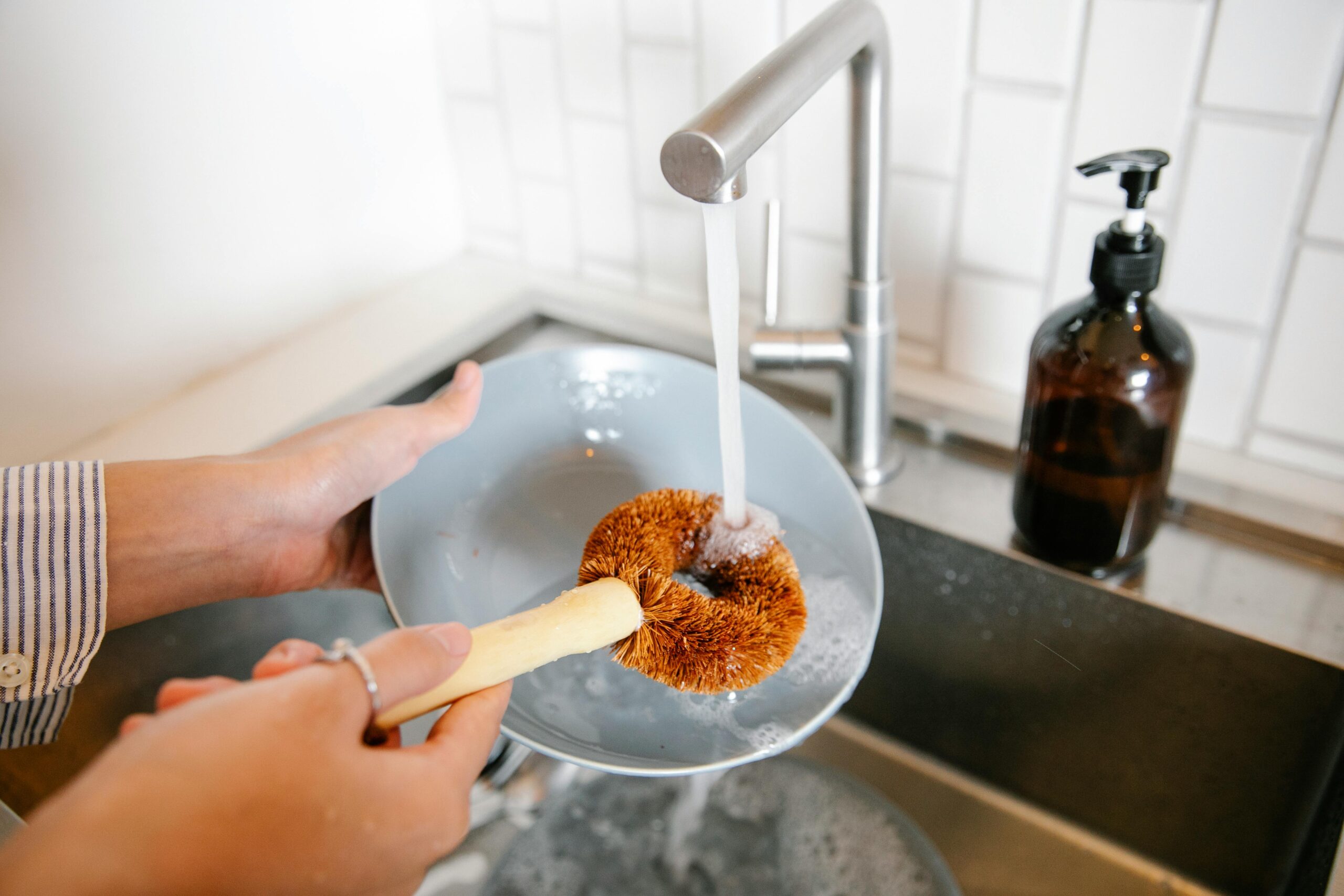
A Tiny Sink-Side Habit to Protect Marine Life - What’s Hiding in Your Drain Could Be Harming the Ocean When you rinse food scraps, sauces, or oily leftovers down the sink, it might seem harmless. But this simple act can contribute to water pollution, which eventually flows into rivers, lakes, and oceans—harming marine life and aquatic ecosystems. By adopting a tiny habit—wiping your plate before rinsing it—you reduce the amount of fats, oils, grease (FOG),…

Declutter Your Devices: A Simple Habit to Tackle E-Waste

A Digital Mess That’s Costing the Planet Think you’re tidy because your floors are swept and your desk is clean? Take a second look inside your drawers, closets, and digital boxes. Chances are you’ve got a tangle of old chargers, unused phones, ancient laptops, broken headphones, and forgotten USB sticks. Each of these is part of a fast-growing environmental crisis: electronic waste, or e-waste. The E-Waste Explosion: What the Data Says? The world generated 53.6…

Half the Flush, Double the Impact: A Tiny Toilet Tweak to Save Big on Water

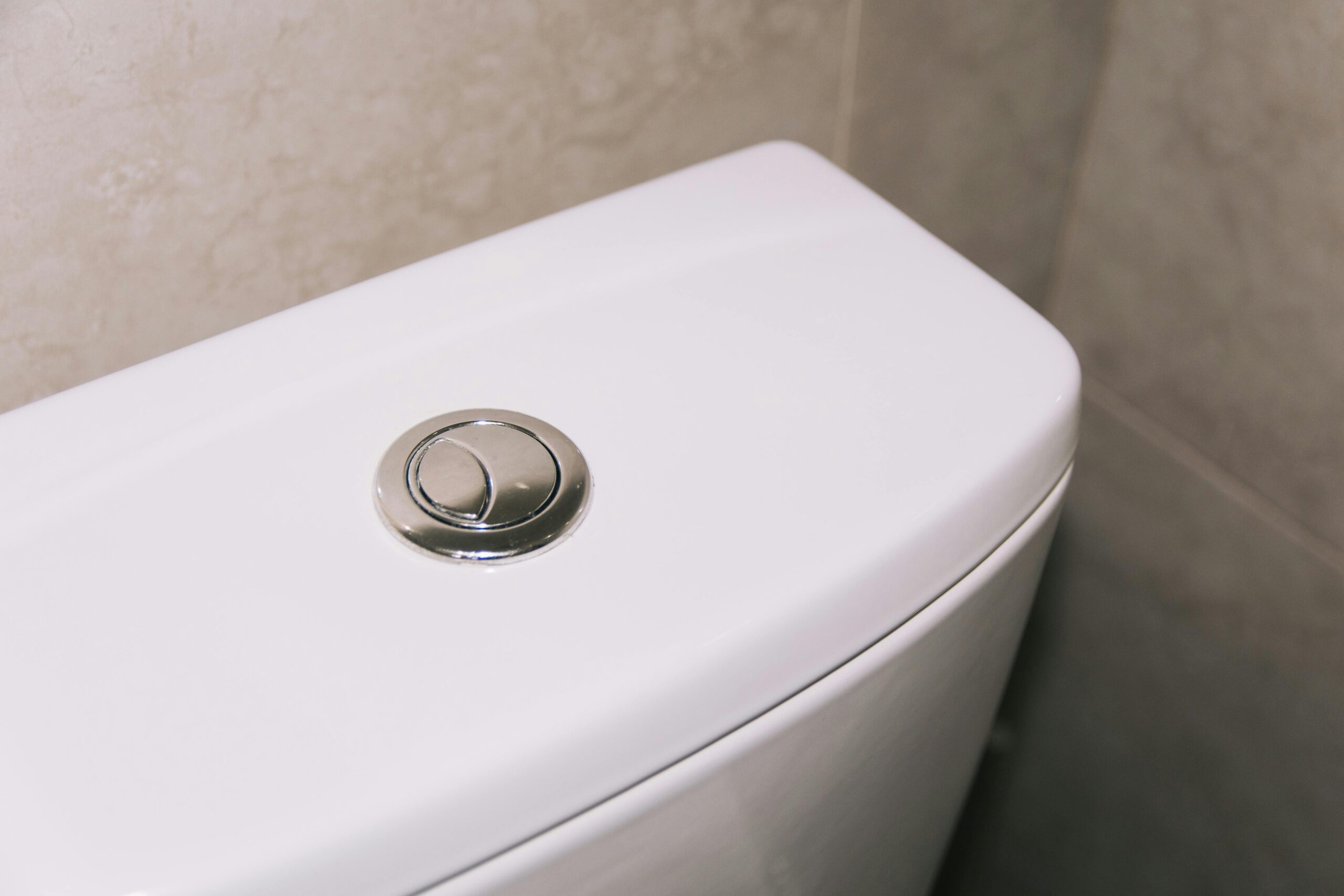
A Small Flush for You, a Giant Leap for Water Conservation! Did you know that the average toilet uses 6 to 13 liters (1.6 to 3.4 gallons) of clean water with every flush? Now imagine this: what if you could cut that number in half—without replacing your toilet? A simple, daily action—reducing the amount of water used per flush—can help conserve thousands of liters of fresh water each year. All it takes is a small…

The ‘Eat Me First’ Box: A Simple Habit to Cut Food Waste

What Is an "Eat Me First" Box? An "Eat Me First" box is a designated area in your refrigerator or pantry where you place food items that need to be consumed soon—such as leftovers, opened packages, or produce nearing its expiration. By creating this visual cue, you and your household members are reminded to prioritize these items, reducing the likelihood of food spoilage. Why It Matters: The Impact of Food Waste Global Scale: Approximately 1.05…

Fewer Words, Fewer Emissions — Reduce Digital Waste with Smarter Searches and AI Use

The Small Action: Be Intentional and Brief in Your Online Interactions Every time you search online or type a long question to an AI chatbot, it uses real-world energy. It may seem invisible, but the carbon impact of our digital habits is growing. One simple, powerful way to reduce that impact? Type less, search smarter, and keep it concise when chatting with AI. Why It Matters This small behavior shift supports UN Sustainable Development Goal…

Swap That Last Evening Caffeine for Herbal Water — Sleep Better, Live Healthier

The Small Action: Replace Your Evening Caffeinated Drink with a Glass of Warm Herbal Water Instead of reaching for coffee, black tea, or cola after 6 PM, choose a glass of warm water infused with calming herbs like chamomile, mint, or tulsi (holy basil). This tiny shift helps your body wind down, improves sleep quality, aids digestion, and keeps you hydrated. Why It Matters This action supports UN SDG 3: Good Health and Well-being, which…