Declutter Your Devices: A Simple Habit to Tackle E-Waste

A Digital Mess That’s Costing the Planet Think you’re tidy because your floors are swept and your desk is clean? Take a second look inside your drawers, closets, and digital boxes. Chances are you’ve got a tangle of old chargers, unused phones, ancient laptops, broken headphones, and forgotten USB sticks. Each of these is part of a fast-growing environmental crisis: electronic waste, or e-waste. The E-Waste Explosion: What the Data Says? The world generated 53.6…
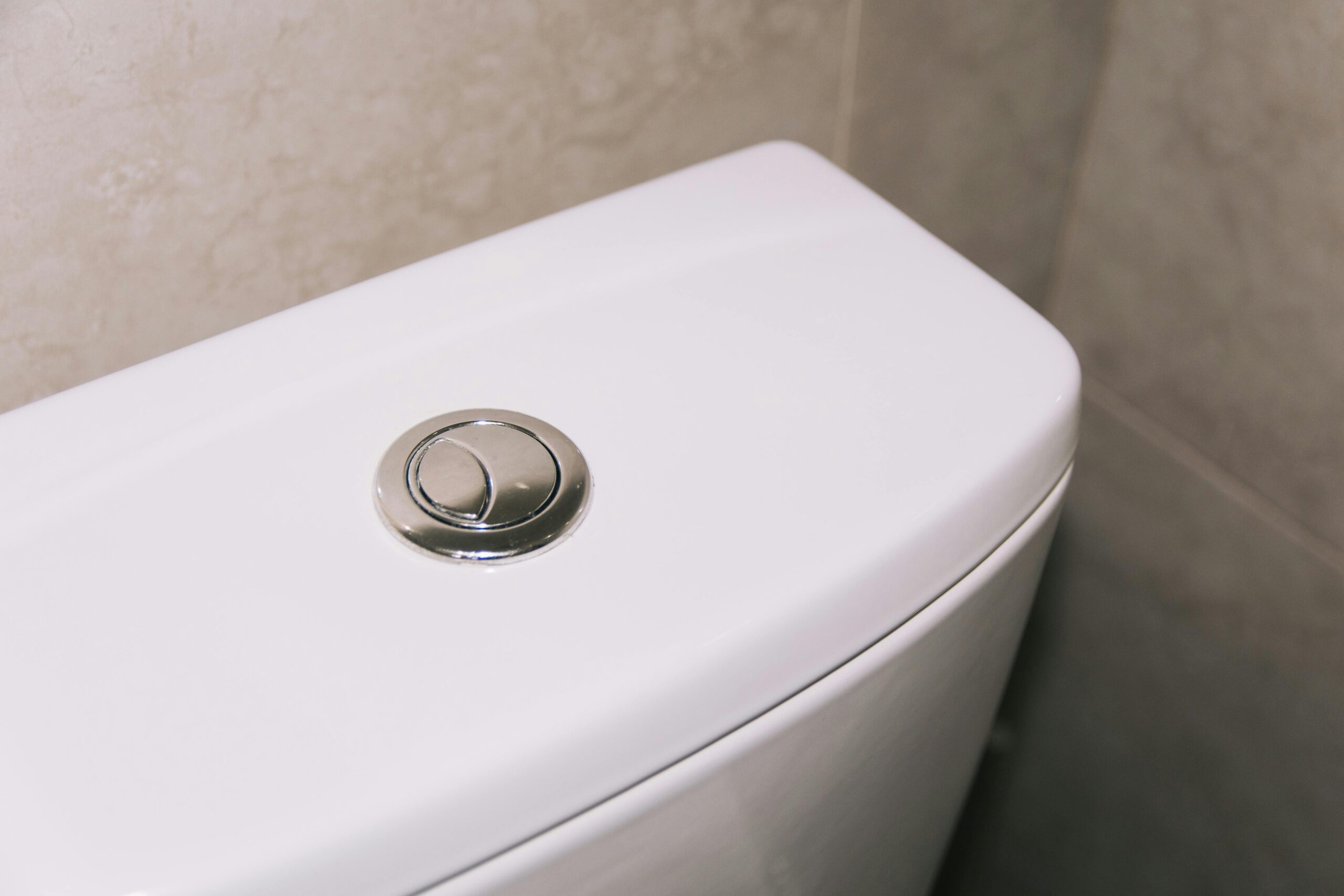
Half the Flush, Double the Impact: A Tiny Toilet Tweak to Save Big on Water

A Small Flush for You, a Giant Leap for Water Conservation! Did you know that the average toilet uses 6 to 13 liters (1.6 to 3.4 gallons) of clean water with every flush? Now imagine this: what if you could cut that number in half—without replacing your toilet? A simple, daily action—reducing the amount of water used per flush—can help conserve thousands of liters of fresh water each year. All it takes is a small…

The ‘Eat Me First’ Box: A Simple Habit to Cut Food Waste

What Is an "Eat Me First" Box? An "Eat Me First" box is a designated area in your refrigerator or pantry where you place food items that need to be consumed soon—such as leftovers, opened packages, or produce nearing its expiration. By creating this visual cue, you and your household members are reminded to prioritize these items, reducing the likelihood of food spoilage. Why It Matters: The Impact of Food Waste Global Scale: Approximately 1.05…

Fewer Words, Fewer Emissions — Reduce Digital Waste with Smarter Searches and AI Use

The Small Action: Be Intentional and Brief in Your Online Interactions Every time you search online or type a long question to an AI chatbot, it uses real-world energy. It may seem invisible, but the carbon impact of our digital habits is growing. One simple, powerful way to reduce that impact? Type less, search smarter, and keep it concise when chatting with AI. Why It Matters This small behavior shift supports UN Sustainable Development Goal…

Swap That Last Evening Caffeine for Herbal Water — Sleep Better, Live Healthier

The Small Action: Replace Your Evening Caffeinated Drink with a Glass of Warm Herbal Water Instead of reaching for coffee, black tea, or cola after 6 PM, choose a glass of warm water infused with calming herbs like chamomile, mint, or tulsi (holy basil). This tiny shift helps your body wind down, improves sleep quality, aids digestion, and keeps you hydrated. Why It Matters This action supports UN SDG 3: Good Health and Well-being, which…

One Tap to Eco Mode: A Small Setting That Cuts Big Carbon

The Challenge: Activate Eco Mode on Your Devices There’s a hidden hero in your appliances and electronics: it’s called Eco Mode. One simple tap can lower your device’s energy consumption by up to 30%—without changing how you use it. Eco Mode is designed to make your devices smarter about how they consume electricity. It reduces brightness, slows cycles, or moderates temperature to save power without impacting performance. Whether it’s your washing machine, TV, or air…

Fridge Check: The Easiest Way to Cut Food Waste and Emissions

In the United States, approximately 30–40% of the food supply is wasted, equating to about 133 billion pounds and $161 billion worth of food annually. This waste not only squanders valuable resources but also contributes significantly to environmental issues. (Source: Food Loss and Waste) Food waste is the single most common material in landfills, comprising 24% of municipal solid waste. Moreover, it is responsible for 58% of landfill methane emissions, a potent greenhouse gas that…

Branch Out: Adopt a Tree, Boost Your Neighborhood

Around the world, forests are disappearing at an alarming rate. According to the UN Food and Agriculture Organization (FAO), the world lost 420 million hectares of forest between 1990 and 2020—an area larger than the entire European Union. (Source: Food and Agriculture Organization of the United Nations) Urbanization and industrial expansion are driving deforestation and the loss of biodiversity, while climate change continues to intensify. But even small, local actions—like planting and caring for a…

Smart Labeling: Decode Dates, Save Food

In the United States, over one-third of all available food goes uneaten through loss or waste. A significant contributor to this issue is confusion over food date labels. Terms like "sell by," "use by," and "best before" are often misunderstood, leading consumers to discard food that is still safe to eat. (Source: Date labels and food waste: Here’s what to know) Introducing the "Smart Labeling" Challenge: This simple action encourages individuals to take a moment…

Lights Out, Stress Down: Your 5-Minute Bedtime Ritual

The Challenge: This challenge encourages individuals to dedicate the last five minutes before bedtime to activities that promote relaxation and signal to the body that it's time to wind down for sleep. In the United States, approximately 35.5% of adults report insufficient sleep, averaging less than seven hours per night. This widespread sleep deprivation poses significant health risks, including increased susceptibility to chronic conditions such as heart disease, diabetes, and obesity. Why It Matters: Health…