A simple action that supports UN SDG 7: Affordable and Clean Energy
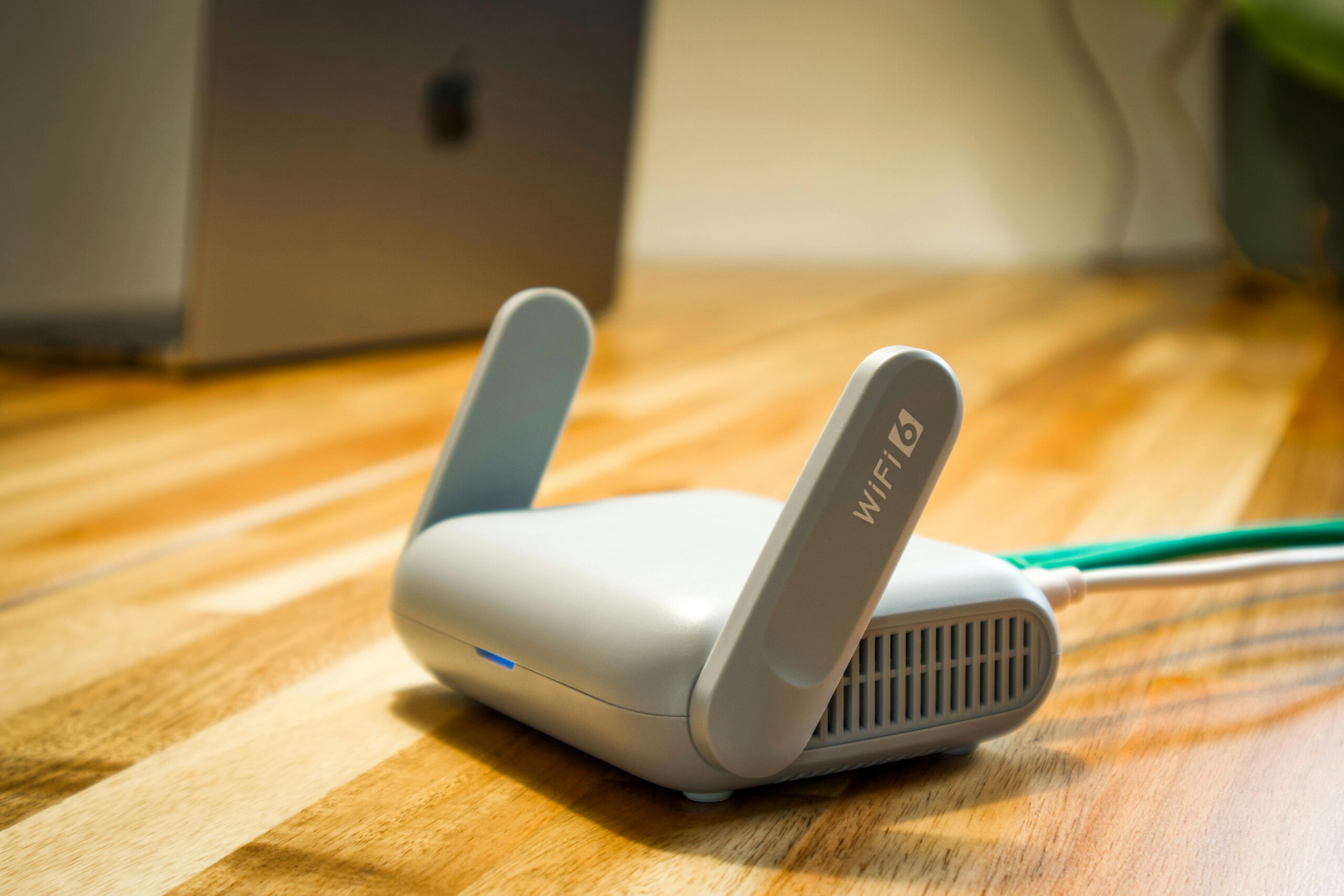
United Nations Sustainable Development Goal 7 isn’t just about renewable power — it’s also about using energy more efficiently. Most discussions focus on big appliances or electric vehicles, but there’s a sizeable opportunity hiding right in your living room: your always-on Wi-Fi router.
The Problem: Invisible Energy Waste at Home
Most people don’t realize how much electricity their home draws even when devices aren’t actively being used.
Phantom/Standby Power Is Real — and Widespread
“Standby power” (also called phantom or vampire load) is the electricity that devices draw even when they’re not performing an active function. This includes devices like routers, modems, gaming consoles, smart plugs, and chargers that stay plugged in 24/7. (Source: Wikipedia)
- Standby power can account for 5–10% of a household’s electricity use according to research on residential standby loads. (Source: Standby Power)
- A Natural Resources Defense Council (NRDC) analysis highlights that small network devices such as routers and modems used in homes draw unused power and contribute to a large aggregate energy footprint in millions of households. (Source: NRDC)
- Utility studies show that targeting “always-on” electronics could significantly reduce household energy waste with measurable dollar and energy savings. (Source: Governing)
Routers, though small, consume power around the clock — regardless of whether your household is actively using the internet. Most routers draw roughly the same energy when idle as when transmitting data, meaning every hour they are powered unnecessarily contributes to waste. (Source: NRDC)
The Small Action: Turn Off Your Wi-Fi Router for 8 Hours a Day
Before bed (or during any long inactive period), switch off your home Wi-Fi router — or automate the process with a timer or smart plug.
- Pick a period when internet use is minimal (e.g., midnight to 8 a.m.).
- Many routers reconnect automatically after power-on, so your morning connectivity isn’t affected.
- A simple mechanical timer — literally under $10 — can automate this for you.
This takes less than two minutes to set up, and soon it becomes a frictionless habit.
Why It Matters: Small Changes Add Up
1. Reduces Home Electricity Demand
Standby consumption contributes meaningfully to household energy use — in many homes, standby draws occur all night even when no one is home or awake. Reducing it saves real energy. (Source: Standby Power)
2. Trims Energy Bills and Emissions
Turning off always-on equipment when it’s not needed cuts both costs and carbon emissions — meaning your action directly supports SDG 7’s focus on efficiency and clean energy use. Lower energy demand means less generation is needed, particularly from fossil fuel sources.
3. Drives Broader Awareness of Hidden Energy Waste
Most people are unaware that “off” doesn’t always mean “not consuming energy.” This micro action builds awareness and encourages deeper energy mindfulness across your household. Studies show that simply educating users about standby loads spurs additional energy-saving behavior. (Source: NYSERDA)
The Impact You Can Make
By powering down your router for about 8 hours every night:
- Household energy use goes down — typically by a measurable portion of the device’s total annual electricity consumption. (Source: NRDC)
- You reduce the time your router draws standby power — helping lower your overall footprint without changing internet habits.
- Over time, this contributes to less demand on the grid, especially during peak overnight hours.
Pro Tip: Make It Automatic
Want even less thinking involved?
- Use a programmable timer so the router shuts off and restarts on its own.
- Some routers have schedulers in their settings — you may be able to automate this without extra hardware.
- Pair with a smart plug so you can track how much energy you’re saving over time.
Small Action, Solid Contribution to SDG 7
By cutting unnecessary energy use:
- You help lower household energy demand
- You reduce strain on electricity systems
- You shrink your carbon footprint
This micro action isn’t about less connectivity — it’s about smarter, leaner energy use around tech we take for granted.