If you write emails late at night, schedule them to be delivered during working hours instead of sending them immediately. This small habit supports SDG 3: Good Health and Well-Being by helping reduce the pressure to stay connected to work at all hours and encouraging healthier work–life boundaries.
Most email platforms allow you to compose a message anytime and schedule it to send the next morning or during the workday. This simple step helps prevent unnecessary pressure on colleagues or collaborators to respond outside working hours.
The Challenge
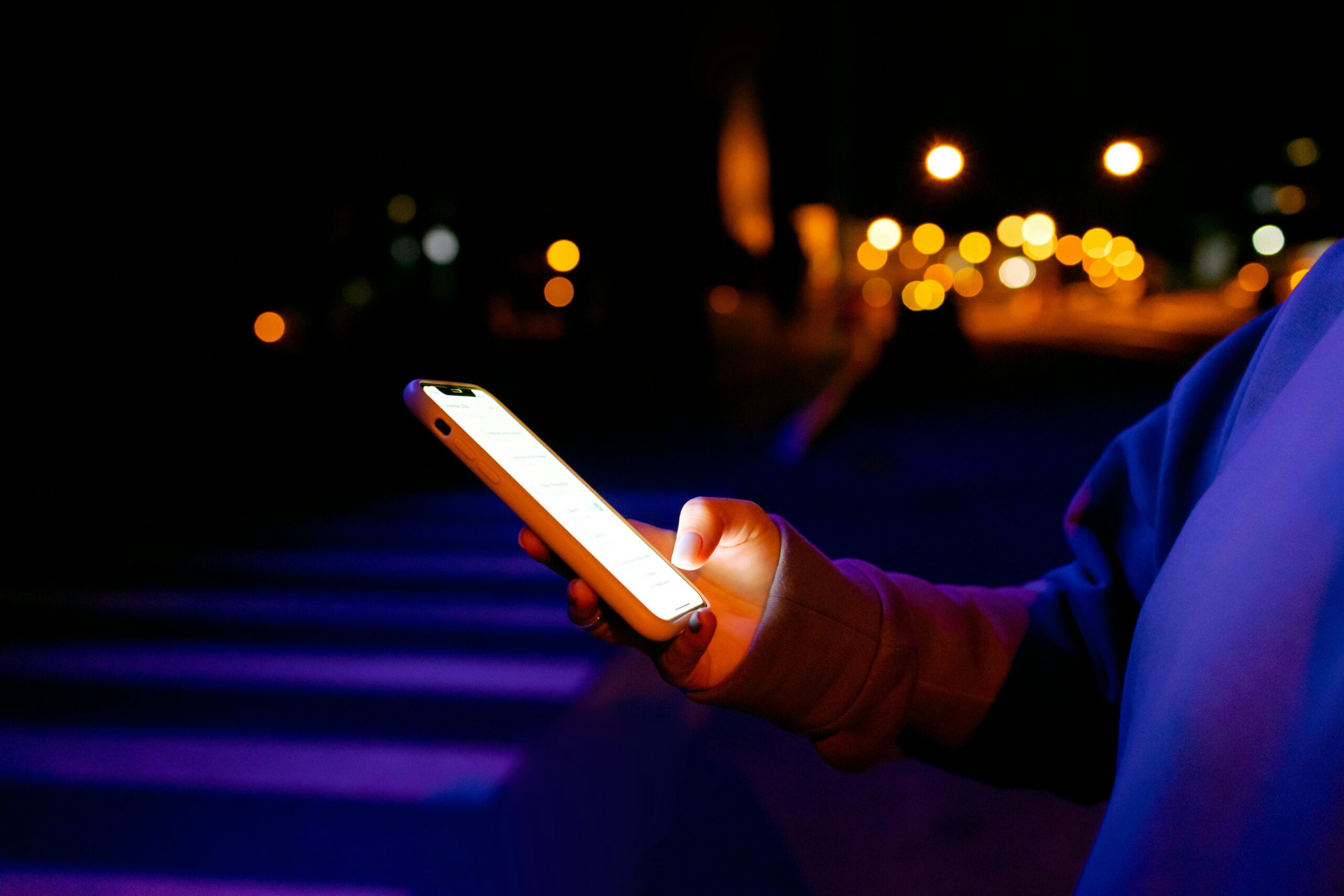
Digital technology has blurred the boundaries between work and personal life. With smartphones and constant connectivity, work messages can arrive at any time of the day or night.
Even when there is no expectation of an immediate response, receiving late-night emails can create implicit pressure to stay connected, making it harder for people to disconnect from work and rest properly.
This constant connectivity contributes to digital overload and stress.
Why It Matters
- Long working hours are linked to serious health risks. A joint study by the World Health Organization and the International Labour Organization found that working 55 hours or more per week increases the risk of stroke by 35% and the risk of dying from heart disease by 17% compared with working standard hours. Protecting time away from work and reducing after-hours pressure can help support healthier lifestyles. (Source: World Health Organization)
- Constant work communication can increase stress and anxiety. Studies show that using work-related communication devices outside regular working hours is associated with higher levels of anxiety symptoms and difficulty psychologically detaching from work, which can negatively affect mental health and recovery time. (Source: Journal of Occupational Health)
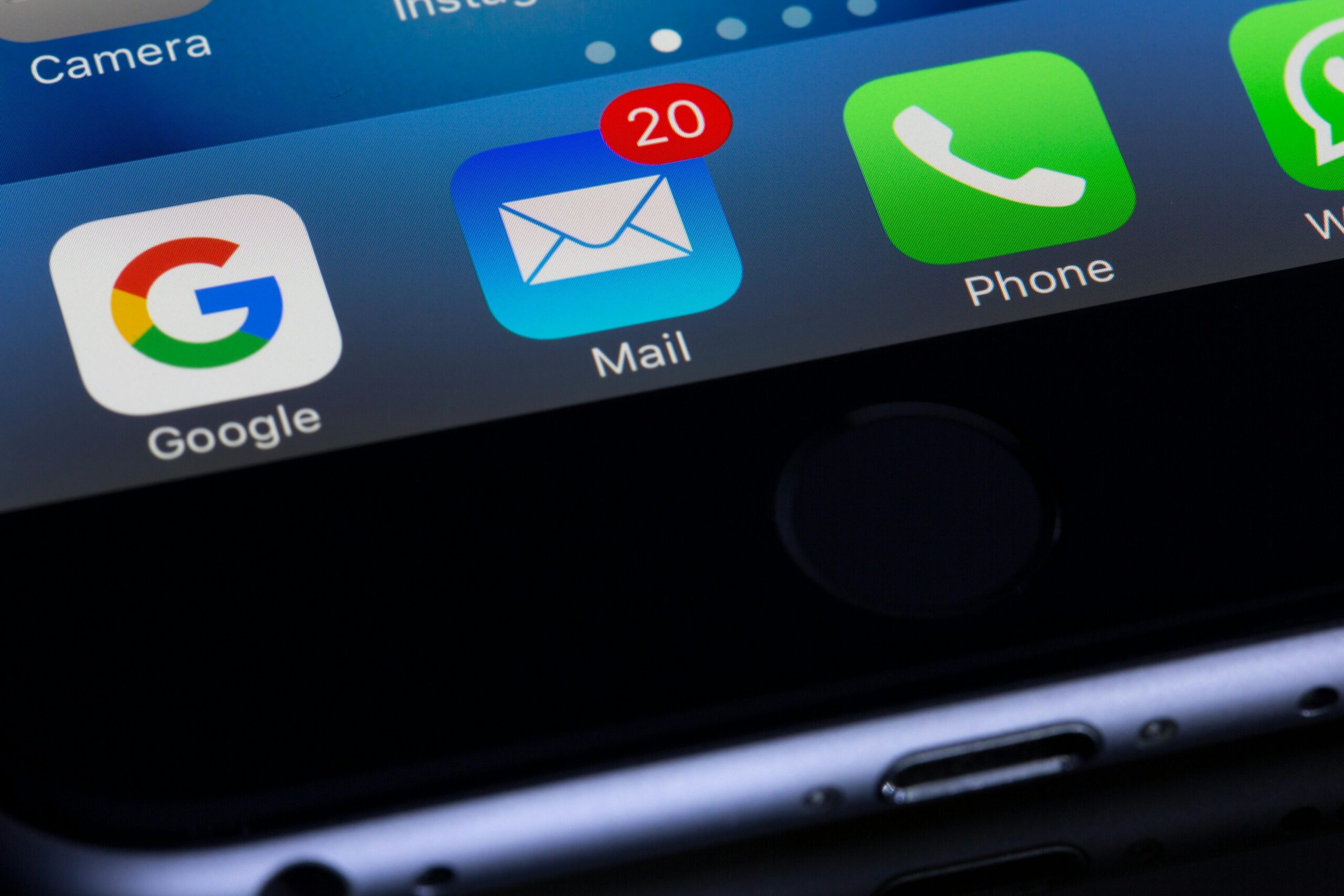
- Email overload contributes to workplace stress. Research suggests that employees spend around 28% of their workweek managing emails, and high volumes of digital communication are linked to increased stress and reduced productivity. (Source: McKinsey & Company)
Encouraging healthier communication habits—like scheduling emails—helps people protect their downtime, improve sleep, and reduce burnout.
How to Take This Small Action
Try this simple habit the next time you write an email outside working hours:
- Write your email whenever it’s convenient for you.
- Instead of sending it immediately, select the “Schedule Send” or “Send Later” option.
- Choose a delivery time during normal working hours, such as 8:00 or 9:00 AM the next day.
Many common email services offer this feature, including Gmail, Microsoft Outlook, and Apple Mail.
The SDG Connection
This small action supports SDG 3: Good Health and Well-Being, which promotes mental health and healthier working conditions.
Reducing unnecessary after-hours communication helps create healthier digital workplaces, allowing people to rest, recover, and maintain better work-life balance.
The Ripple Effect
When more people adopt this small habit, it helps normalize the idea that not every message requires an immediate response.
A simple choice—scheduling an email instead of sending it late at night—can help reduce stress and support healthier digital boundaries for everyone.