This tiny pause supports SDG 6: Clean Water and Sanitation and SDG 12: Responsible Consumption and Production, while also contributing to SDG 13: Climate Action through reduced energy demand.
Why This Small Action Matters
Household appliances are deeply connected to water use, wastewater treatment, and electricity systems— even though we rarely see those connections.
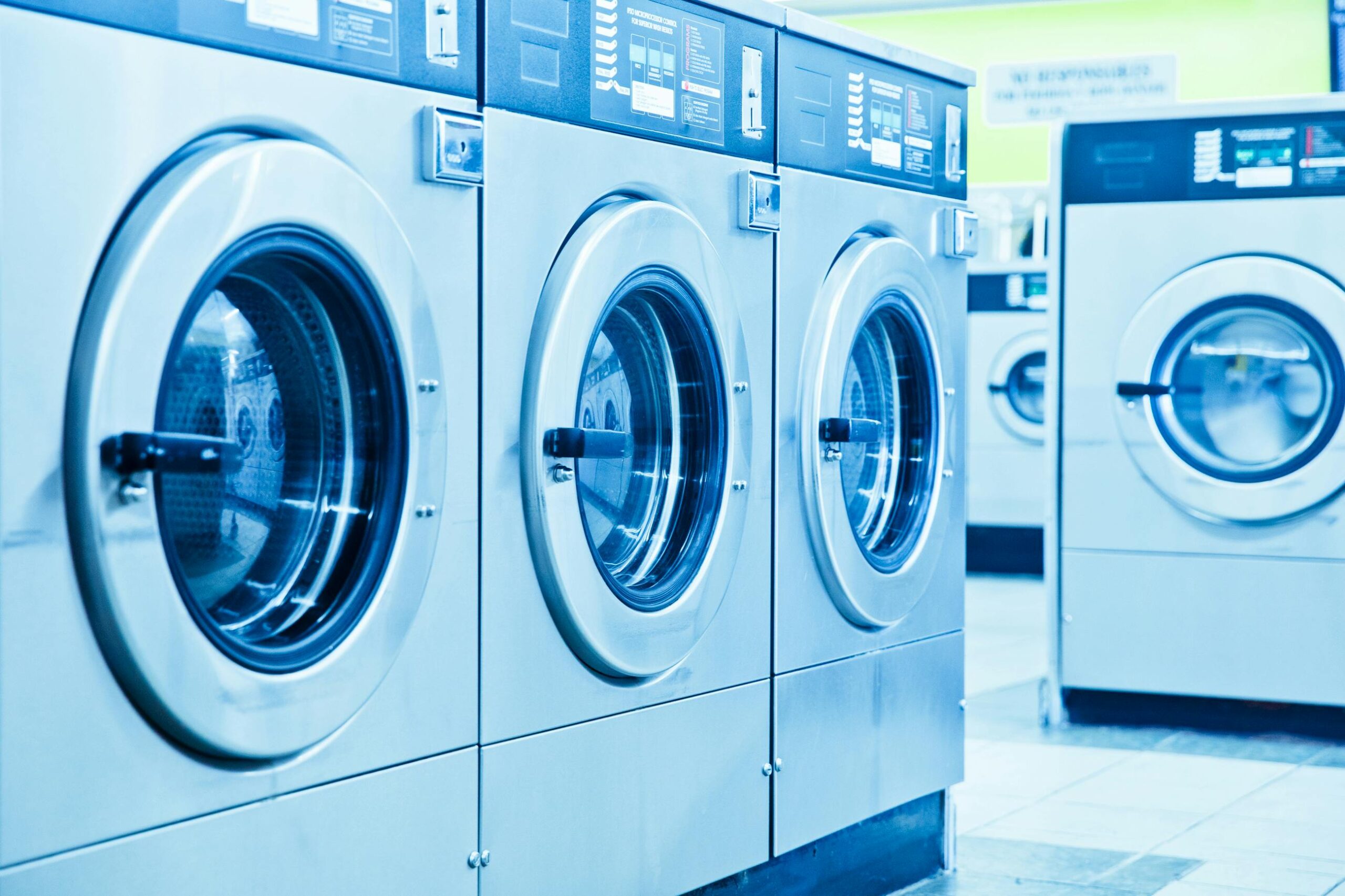
- Residential water use accounts for a significant share of municipal water withdrawals, and appliances like washing machines and dishwashers are among the largest indoor water users
(Source: Residential water use in the U.S. and Canada – English Wikipedia) - A single washing machine cycle can use 50–90 liters of water, depending on model and settings
(Source: Average water consumption of washing machines and dishwashers – APPLiA Stat Report 2023) - Heating water is energy-intensive: water heating accounts for roughly 18–25% of household energy use in many countries (Source: Energy Saver – Water Heating – U.S. Department of Energy)
- Every wash also creates wastewater, which must be pumped, treated, and processed—requiring additional electricity and chemicals
(Source: Wastewater treatment and energy use – International Energy Agency)
Running half-empty loads means:
- More water withdrawn
- More energy used for heating and treatment
- More stress on urban water and sewage infrastructure
All for the same number of clean clothes or dishes.
The Impact (Why Small Loads Add Up)
Consider a simple example:
- You run 4 half-full laundry loads per week instead of 2 full loads
- That’s 100+ extra wash cycles per year
- Which can mean:
- 5,000–9,000 extra liters of water used
- Additional electricity for water heating
- Extra wastewater requiring treatment
Now scale that across millions of households, and the impact becomes systemic—not just personal.
This is why demand reduction is a key strategy in water-stressed regions, especially as climate change increases drought risk (Source: Water and climate change – UN Water).
How to Practice the Micro-Action (Without Changing Your Life)
- Create a “full-load rule”
Decide once: I only run the washer or dishwasher when it’s full. - Use the delay or eco mode
If your appliance has a delay timer, load it throughout the day and run it once. - Learn what “full” actually means
- Laundry: full drum, but clothes still move freely
- Dishwasher: all racks filled, no blocking spray arms
- Break the urgency myth
Most loads are not urgent. Waiting 12–24 hours rarely causes problems—and saves resources every time.
Why This Supports the SDGs
SDG 6 – Clean Water and Sanitation
Reducing unnecessary appliance cycles lowers freshwater withdrawals and wastewater volumes, helping cities manage water more sustainably.
SDG 12 – Responsible Consumption and Production
Running full loads means using resources efficiently, not wastefully—doing the same task with fewer inputs.
SDG 13 – Climate Action
Less hot water = less energy = fewer emissions, especially where electricity or heating relies on fossil fuels.
Bottom Line
You don’t need new appliances, technology, or willpower.
By simply waiting until loads are full, you:
- Save water
- Reduce energy demand
- Ease pressure on treatment systems
- Support multiple SDGs at once
Next time you reach for the “start” button, pause and ask:
“Is this load really full?”
That one question—repeated over time—adds up to meaningful change.