Dark Mode: The Daily Habit to Ease Eye Strain and Lower Energy Use

A Low-Effort Habit for a Lighter Footprint What if a small setting change on your phone or laptop could help reduce your energy use, extend battery life, and make your screen time easier on the eyes? Each day, activate dark mode on at least one of your devices—just for a few hours or your entire work session. It’s a simple tech habit that supports Sustainable Development Goal 12: Responsible Consumption and Production, promoting smarter, more…
Cyclic Sighing Daily: The 30-Second Habit That Boosts Mental Health

What if a 30-second habit could lower your stress, regulate your nervous system, and support global mental health goals—all through your smartphone? Each day, set a phone-based reminder to practice the cyclic sighing technique, a quick, science-backed breathing exercise that supports Sustainable Development Goal 3: Good Health and Well-Being. This isn’t meditation. It’s a tiny tech-enabled habit to help you reset your mental state, wherever you are. What Is Cyclic Sighing? Cyclic sighing—also known as…

Cut Standby Power with a Smart Strip: Save Energy Automatically

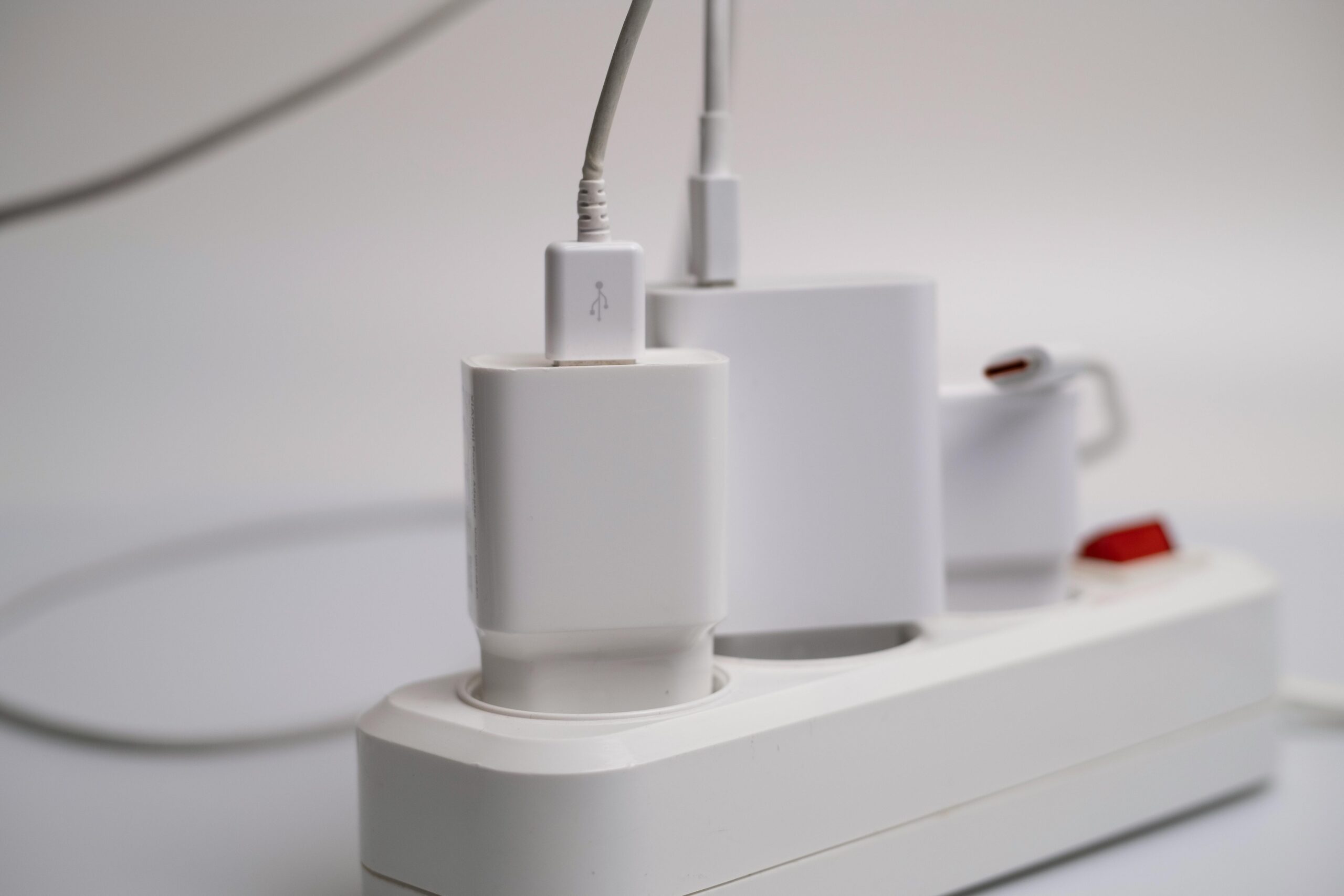
Did you know that your electronics are quietly draining energy—even when you’re not using them? That sneaky power drain is called standby power, and it’s a surprisingly big contributor to wasteful energy consumption. Here’s a clever, tech-savvy action you can take today to directly support UN SDG 7: Affordable and Clean Energy. Install a smart power strip that automatically shuts down your devices after inactivity! Why this tiny tech fix packs a big punch Standby power…

Rate a Public Place Near You: Build Safer Communities

Ever wonder if community services—like public bathrooms, libraries, or transit stops—are truly accessible and equitable for everyone? You can help by doing just one thing: use your smartphone to map and rate a local public service (e.g., accessibility, safety, cleanliness). It’s a tiny tech habit that strengthens transparency, trust, and good governance — all under SDG 16: Peace, Justice, and Strong Institutions. Why It Matters Many local services operate without feedback from users, leading to neglect…

The BioTag Challenge: Use Tech to Track Local Biodiversity

The BioTag Challenge invites you to take a photo of a wild plant or animal each week, tag its location, and upload it to a free citizen‑science app (like iNaturalist or Seek). It’s a simple digital habit with real ecological impact—supporting SDG 15: Life on Land by building data to conserve biodiversity. Why It Matters Over 1 million species are at risk of extinction, largely due to habitat loss and climate impacts (Source: IPBES). Citizen-sourced observations provide…

Drop a Seed, Drop the Heat: The Shade Tree Seed Challenge

Absolutely! Here's the updated blog post with a clear caution about checking with local authorities before planting, while maintaining the friendly, actionable tone: Ever walk down a hot sidewalk wishing for shade?Trees are natural air conditioners — they cool cities, clean the air, and help fight climate change. And you can help, right outside your door. The Shade-Tree Challenge invites you to create and plant one native tree seed ball in a community-approved area —…

The Student Pothole Patrol: Map a Safer Way to School

Ever tripped over a pothole on your way to school or seen bikes swerve dangerously around cracks in the road? Small road damage may seem harmless, but it adds up — especially for students, pedestrians, cyclists, and people with disabilities. Potholes aren’t just annoying — they’re a safety and accessibility issue. That’s why the Student Pothole Patrol Challenge invites you and your classmates to take action. In just one short walk, you can help make…

The Beach Microplastics Swap: Use Natural Scrubs, Save Oceans

Are those exfoliating products you love washing microplastics into the sea?Many face washes, body scrubs, and toothpastes contain tiny plastic beads that slip past water filters and enter waterways, harming fish, plankton, and marine ecosystems. The Beach Microplastics Swap invites you to switch just one microplastic-laden personal care item to a natural alternative—like a sugar scrub or oatmeal cleanser—once this week. It’s a tiny habit change that supports Sustainable Development Goal 14: Life Below Water.…

The Learn-Ahead AI Challenge: Stay Hirable in 10 Minutes a Week

AI is changing jobs — fast.From customer service to design, automation is reshaping industries. The future of work won’t be about competing with AI… but learning how to work alongside it. The good news? You don’t need to master coding or machine learning overnight.All it takes to stay future-ready is one small habit: Spend 10 minutes each week learning how AI is used in your field. That’s the Learn-Ahead AI Challenge — and it directly…

The AI Deep-Dive Prompt Challenge: Ask 3, Learn More

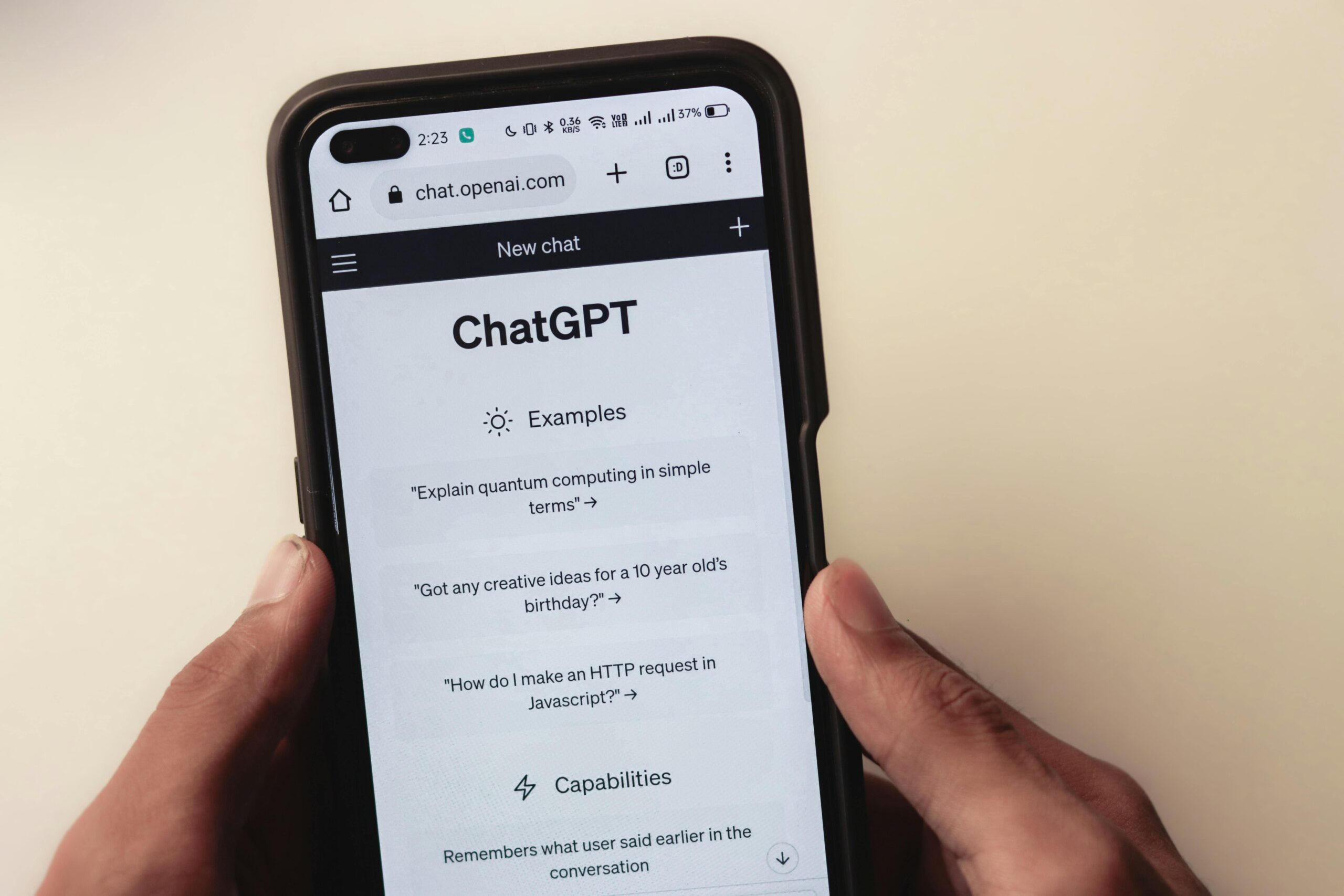
Relying on a single AI-generated answer may save time—but it can also limit your understanding. To turn AI into a powerful learning tool, try the Deep‑Dive Prompt Challenge: for each topic, ask three follow-up questions—“why it matters,” “give an example,” and “common mistake.” This tiny habit helps you dig deeper, think critically, and truly understand—aligning perfectly with Sustainable Development Goal 4: Quality Education. Why It Matters A recent MIT study shows AI users exhibit less brain…