Say No to Plastic Spoons: A Tiny Refusal with a Big Impact

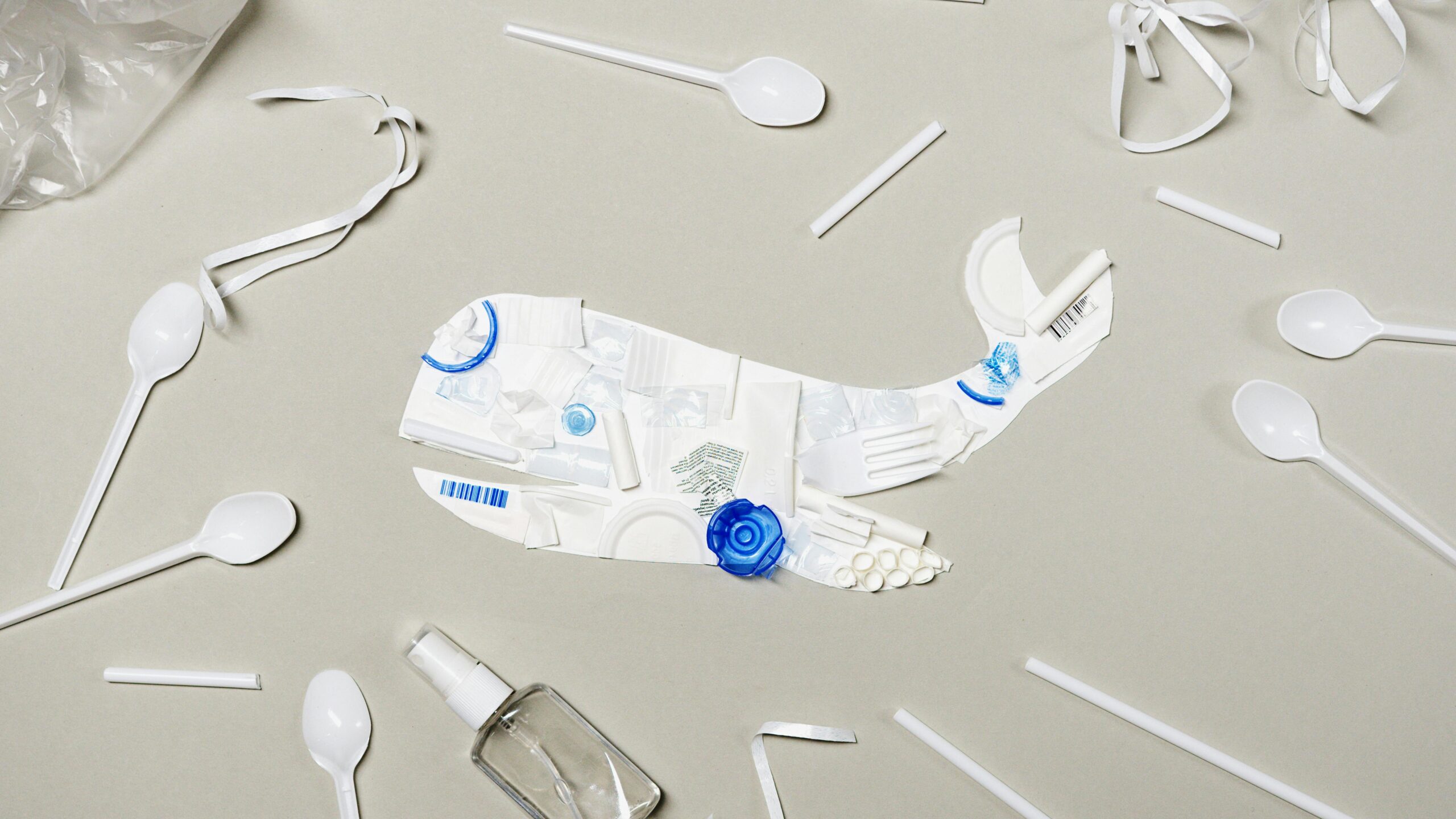
Carry a single reusable spoon — in your bag, lunchbox, or car — and refuse single-use plastic spoons whenever you get take-out meals, drinks, or desserts.This simple daily habit supports SDG 14: Life Below Water by reducing plastic pollution in oceans and rivers — and it also helps protect your health by curbing the spread of microplastics. Why It Matters Every year, 8–11 million tonnes of plastic waste enter the ocean, and single-use utensils like…
Track Your Tire Pressure with a Simple Device: Drive Smarter, Emit Less

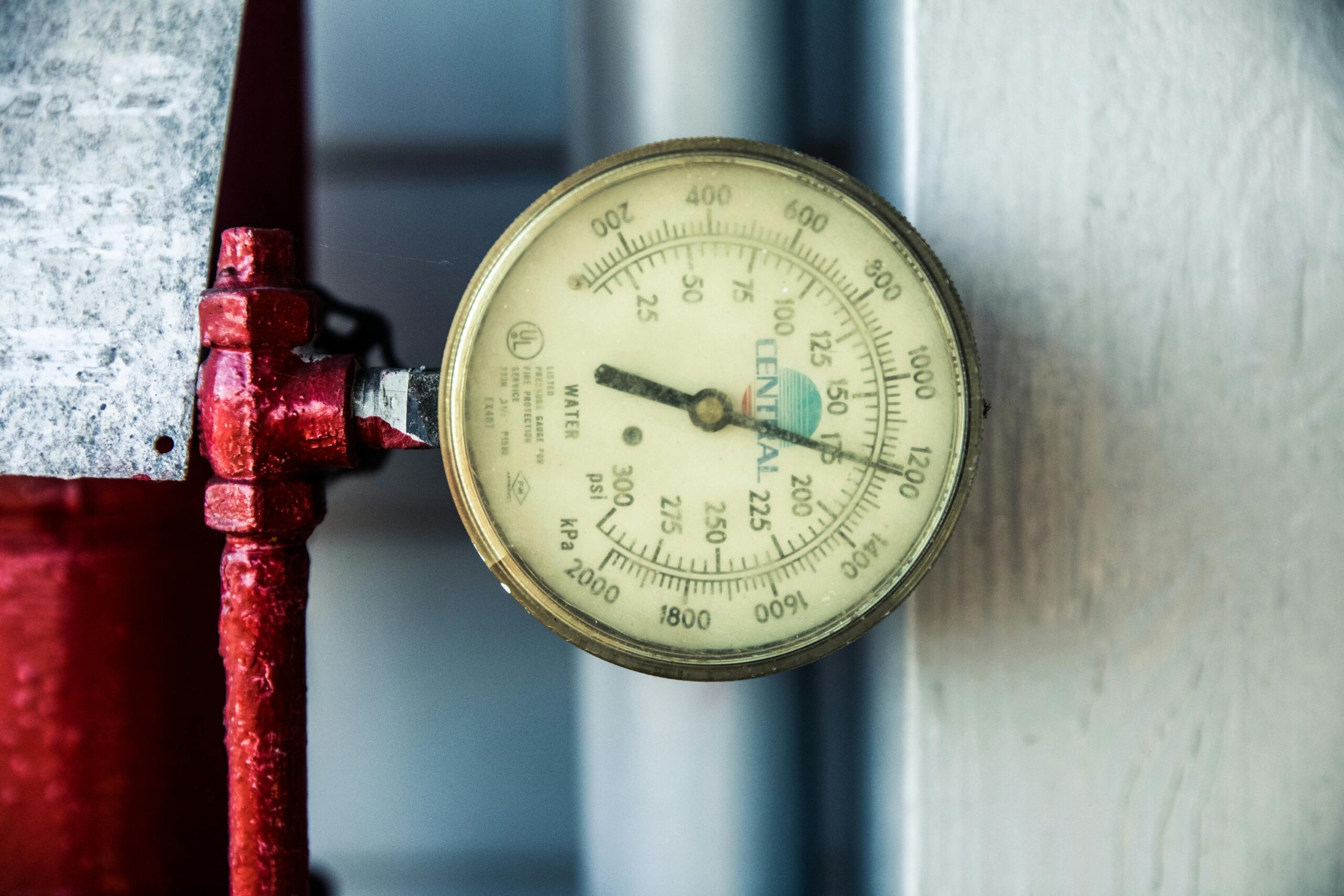
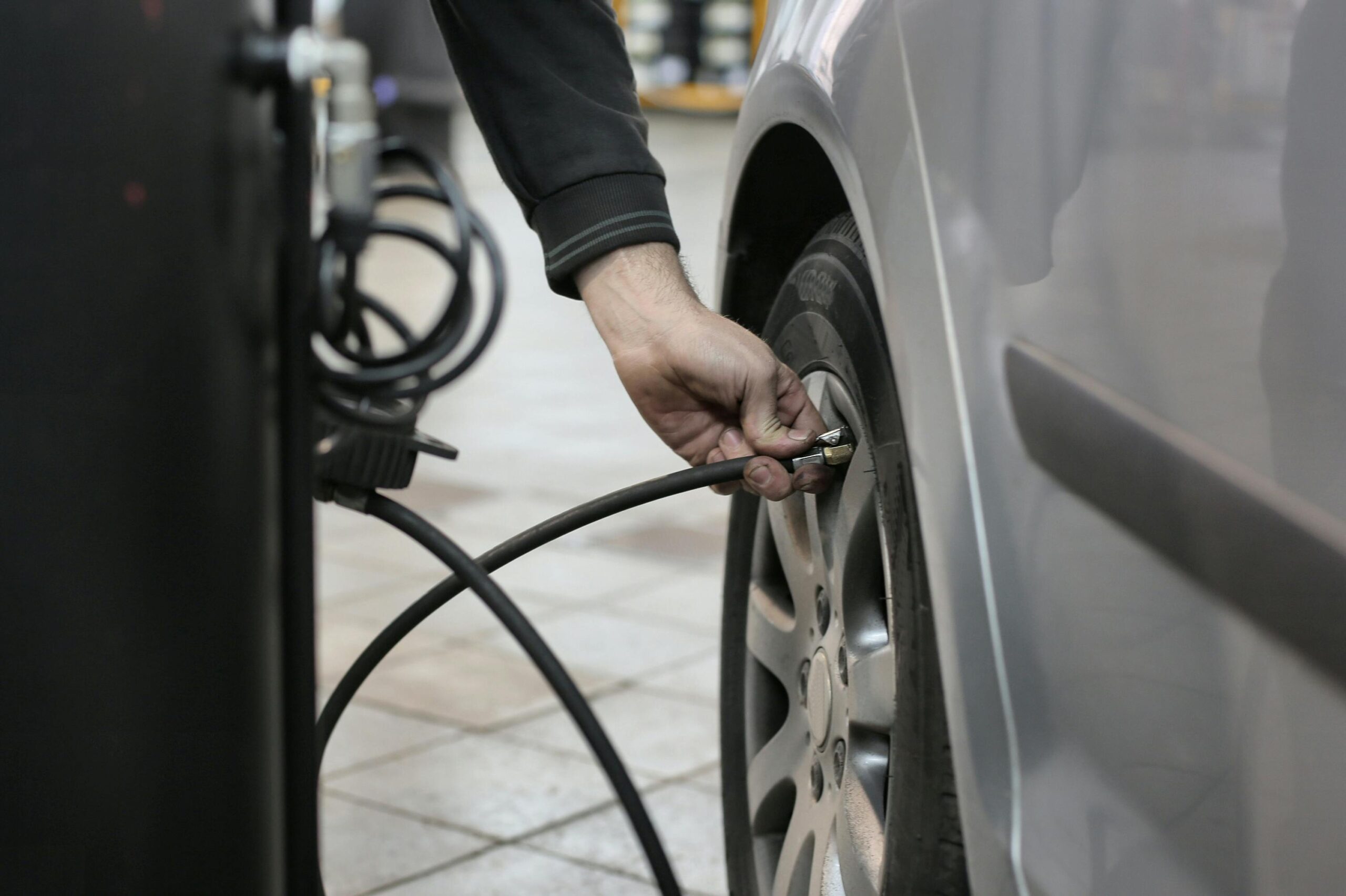
Use your car’s built-in TPMS (Tire Pressure Monitoring System), a low-cost manual tire-pressure gauge, or a Bluetooth-enabled sensor with a phone app to keep your tires at the recommended pressure.This simple, tech-assisted habit supports SDG 13: Climate Action by improving fuel efficiency, reducing carbon emissions, and extending tire life — without requiring expensive gadgets. Why It Matters Driving with under-inflated tires can reduce fuel economy by 2–3%.Vehicles running at 75% of the recommended tire pressure…

Donate Your Old Smartphone: Power a Student’s Learning Journey

Instead of leaving your old smartphone in a drawer, donate it to a trusted nonprofit that refurbishes devices for students and schools.This action directly supports SDG 4: Quality Education by bridging the digital divide and enabling access to online learning tools. Why It Matters Worldwide, 244 million children and youth are still out of school. (Source: UNESCO Global Education Monitoring Report 2023) Nearly 2.6 billion people remain offline, most of them in developing regions where…

Stand Up Every Hour: A Tiny Habit to Boost Health and Cut Health-Care Footprints

If you sit for long hours at work or home, set a reminder to stand up and stretch for just 2 minutes every hour. This micro-action can improve your long-term health and reduce risks linked to sedentary lifestyles. This tiny shift can help you feel better, live healthier, and contribute to achieving SDG 3: Good Health and Well-Being. Why It Matters Physical inactivity is one of the top risk factors for global mortality, contributing to around 5 million…

Chill Your Rice Before Storing: Cut Food Waste

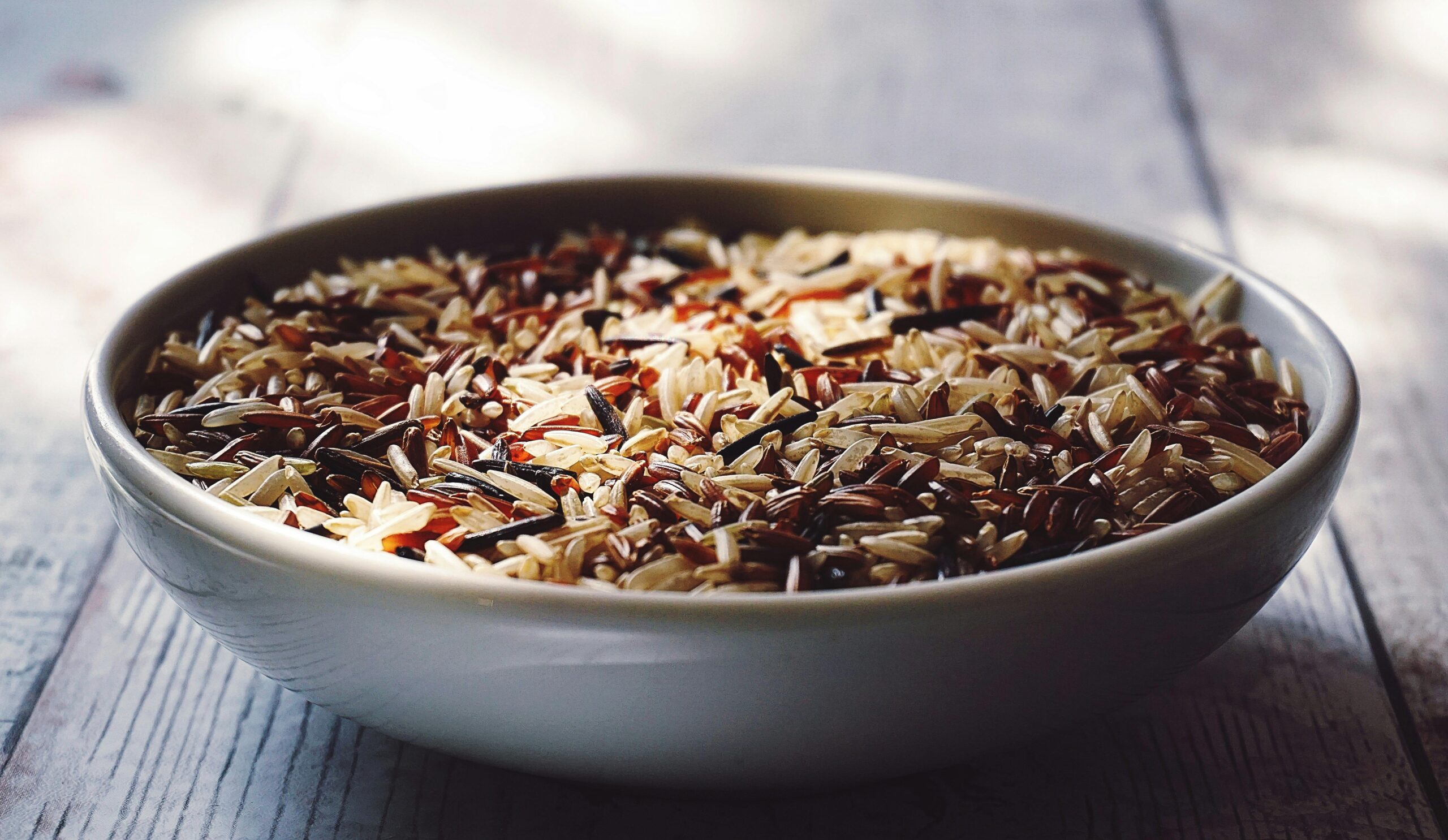
Whenever you cook rice or grains, let them cool for about 30 minutes and then refrigerate or freeze the leftovers promptly instead of leaving them out for hours.This simple habit reduces food waste, improves food safety, and lowers the emissions linked to wasted food and supports SDG 12: Responsible Consumption and Production. Why It MattersGlobally, 17% of all food available to consumers is wasted, contributing about 8–10% of global greenhouse gas emissions. (Source: United Nations…

Only Boil What You Need: A Tiny Habit to Save Energy

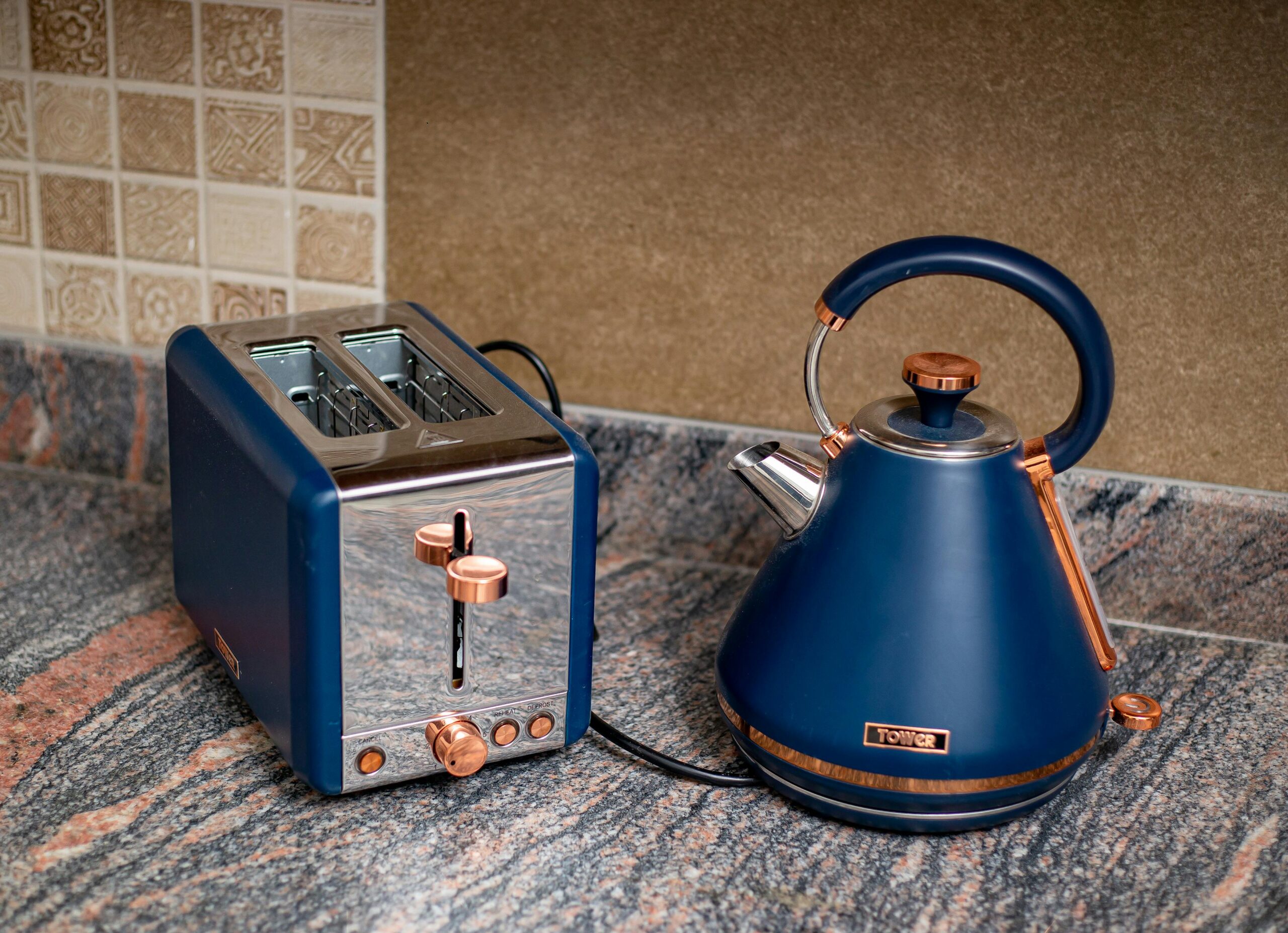
Today, try this: fill your kettle (or water boiler) with only the amount of water you need before boiling.This simple habit lowers energy use, cuts carbon emissions, and costs nothing to adopt and supports the Sustainable Development Goal 7: Affordable and Clean Engergy. Why It Matters In the UK, three-quarters of households overfill their kettles, wasting energy every day.(Source: University of Strathclyde & Energy Saving Trust study) Research shows that boiling only the water you…

Charge in the Shadows: Use Off‑Peak Hours

Every device you charge—your phone, laptop, or tablet—has a carbon footprint, and when you plug it in matters. Charging during off-peak hours not only reduces your electricity bill but also eases the burden on power grids during high-demand periods, decreasing the reliance on carbon-intensive energy sources. By shifting your charging habits to times when renewable energy is more available and the grid is under less stress, you actively support SDG 7 – Affordable and Clean Energy,…

Track to Cut: Reduce Freshwater Waste at Home

Freshwater may not seem connected to oceans—but the way we use water at home affects entire ecosystems downstream. By simply tracking your daily water use, you can become more aware, reduce waste, and protect freshwater sources before they reach the sea supporting SDG 14: Life Below Water. Why This Small Action Matters On average, a person uses about 80–100 gallons (300–380 liters) of freshwater per day indoors, primarily for activities like showers, laundry, and dishwashing. (Source:…

Stand & Stretch: One Posture Reset Every Half Hour

Sitting for long periods has quietly become one of the biggest health risks of modern life. A simple 30-second posture reset every half hour can make a real difference. A simple 30-second posture reset every half hour supports SDG 3: Good Health and Well-Being by promoting everyday preventive health and reducing the long-term risks associated with sedentary lifestyles. Why It Matters Sitting for 8 or more hours daily increases the risk of all-cause mortality by…

Flush with Care: Skip the Flush for Tissues and Hair

A Tiny Toilet Habit That Protects Big Water Systems To help achieve SDG 6: Clean Water and Sanitation, here’s a micro-action that takes no more than a habit shift: Stop flushing tissues, hair, or floss. Use a bin instead. Though it seems harmless, flushing non-toilet waste clogs sewer systems, contaminates waterways, and strains water treatment infrastructure. A single flush can carry pollutants straight into rivers or oceans, especially in areas with poor sewage systems. Why This…