The No-New-Notebook Student Challenge

Every school year, millions of students start with stacks of shiny, brand-new notebooks. Yet many of us have half-used notebooks, blank pages in the back, or old papers that could easily serve the same purpose. The truth is: we don’t always need new materials — we just need to use what we already have. By taking the No-New-Notebook Challenge, students help reduce paper consumption, save resources, and support Sustainable Development Goal 12: Responsible Consumption and…

One Box, One Delivery: The Consolidated Shipping Challenge

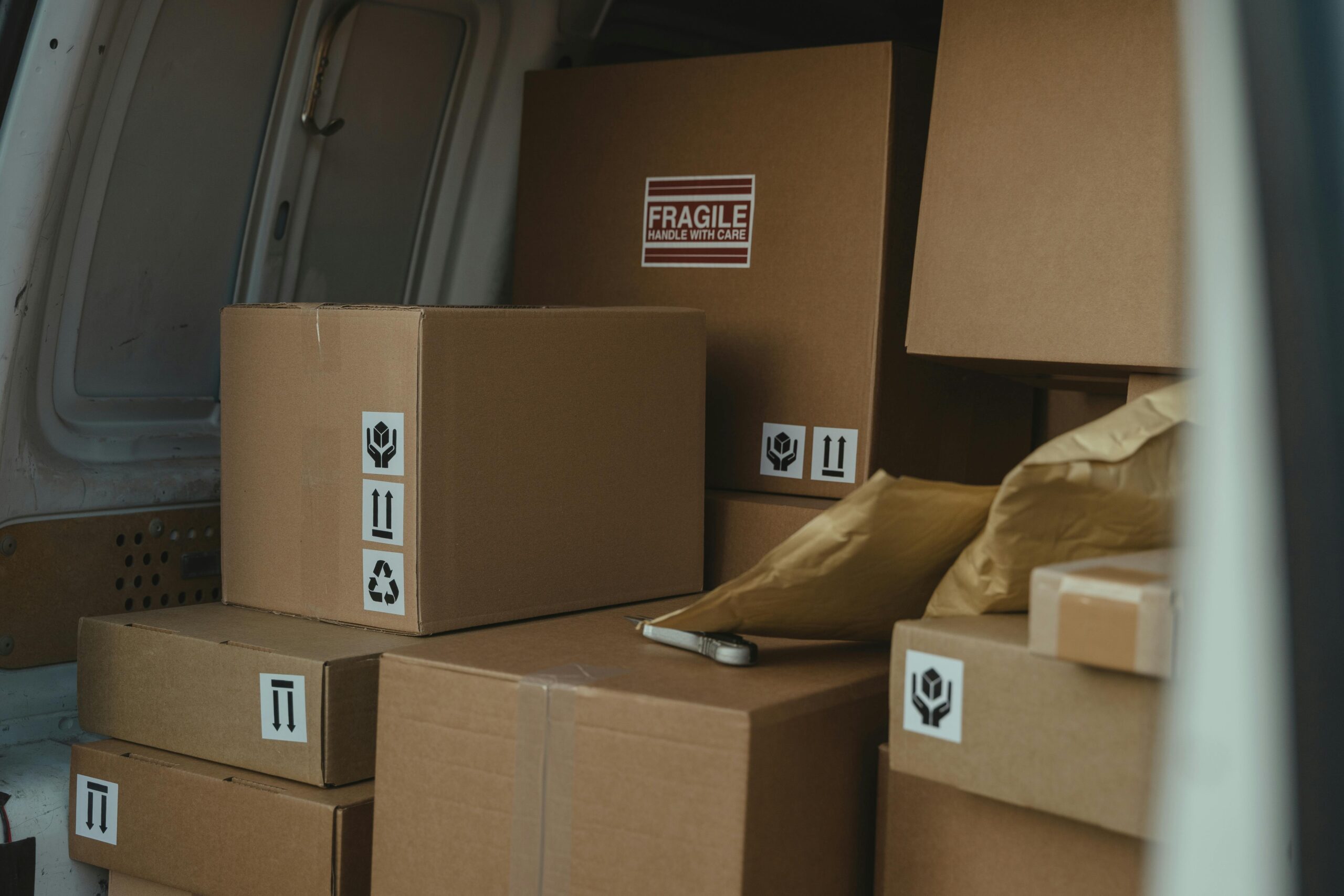
Online shopping offers unparalleled convenience, but it often comes with an environmental cost—excessive packaging waste. Each separate delivery typically means its own box, padding, and shipping materials, contributing to the growing problem of packaging waste. By choosing consolidated shipping options at checkout, you can reduce the number of packages delivered to your doorstep, thereby minimizing packaging waste and supporting Sustainable Development Goal 12: Responsible Consumption and Production. Why It Matters? Excessive Packaging Waste: Online shopping…

Declutter Your Devices: A Simple Habit to Tackle E-Waste

A Digital Mess That’s Costing the Planet Think you’re tidy because your floors are swept and your desk is clean? Take a second look inside your drawers, closets, and digital boxes. Chances are you’ve got a tangle of old chargers, unused phones, ancient laptops, broken headphones, and forgotten USB sticks. Each of these is part of a fast-growing environmental crisis: electronic waste, or e-waste. The E-Waste Explosion: What the Data Says? The world generated 53.6…

The ‘Eat Me First’ Box: A Simple Habit to Cut Food Waste

What Is an "Eat Me First" Box? An "Eat Me First" box is a designated area in your refrigerator or pantry where you place food items that need to be consumed soon—such as leftovers, opened packages, or produce nearing its expiration. By creating this visual cue, you and your household members are reminded to prioritize these items, reducing the likelihood of food spoilage. Why It Matters: The Impact of Food Waste Global Scale: Approximately 1.05…

Fewer Words, Fewer Emissions — Reduce Digital Waste with Smarter Searches and AI Use

The Small Action: Be Intentional and Brief in Your Online Interactions Every time you search online or type a long question to an AI chatbot, it uses real-world energy. It may seem invisible, but the carbon impact of our digital habits is growing. One simple, powerful way to reduce that impact? Type less, search smarter, and keep it concise when chatting with AI. Why It Matters This small behavior shift supports UN Sustainable Development Goal…

Fridge Check: The Easiest Way to Cut Food Waste and Emissions

In the United States, approximately 30–40% of the food supply is wasted, equating to about 133 billion pounds and $161 billion worth of food annually. This waste not only squanders valuable resources but also contributes significantly to environmental issues. (Source: Food Loss and Waste) Food waste is the single most common material in landfills, comprising 24% of municipal solid waste. Moreover, it is responsible for 58% of landfill methane emissions, a potent greenhouse gas that…

Smart Labeling: Decode Dates, Save Food

In the United States, over one-third of all available food goes uneaten through loss or waste. A significant contributor to this issue is confusion over food date labels. Terms like "sell by," "use by," and "best before" are often misunderstood, leading consumers to discard food that is still safe to eat. (Source: Date labels and food waste: Here’s what to know) Introducing the "Smart Labeling" Challenge: This simple action encourages individuals to take a moment…

Use Cloth Napkins Instead of Paper Towels – A Simple Shift to Reduce Waste

The Challenge: Ditch paper towels and use cloth napkins or reusable cloths in your home. It's a small change that makes a big impact! This action supports Sustainable Development Goal (SDG) 12: Responsible Consumption and Production, which aims to reduce waste and promote more sustainable consumption patterns. By switching to reusable cloth napkins, you are helping minimize paper waste and conserve resources. Why It Matters In the U.S. alone, nearly 13 billion pounds of paper…

Adjust Your Monitor’s Brightness – Reduce Energy Consumption

The Challenge: Lower your computer monitor's brightness to a comfortable level to conserve energy. This simple action supports Sustainable Development Goal (SDG) 12: Responsible Consumption and Production, which encourages efficient use of resources and energy. By adjusting your monitor's brightness, you can reduce electricity consumption and extend the lifespan of your device. Why It Matters Computer monitors can be significant energy consumers, especially when set to high brightness levels. Reducing brightness not only conserves energy…

Take Inventory Before You Shop – Buy Only What You Need

Sometimes, the most responsible action starts right at home. Before heading out to shop, taking a quick inventory of what you already have can prevent unnecessary purchases, reduce food waste, and save money. This small yet impactful habit supports Sustainable Development Goal (SDG) 12: Responsible Consumption and Production, which encourages us to use resources wisely and cut down on waste. Why It Matters An estimated 17% of total global food production goes to waste at…