Say No to Plastic Spoons: A Tiny Refusal with a Big Impact

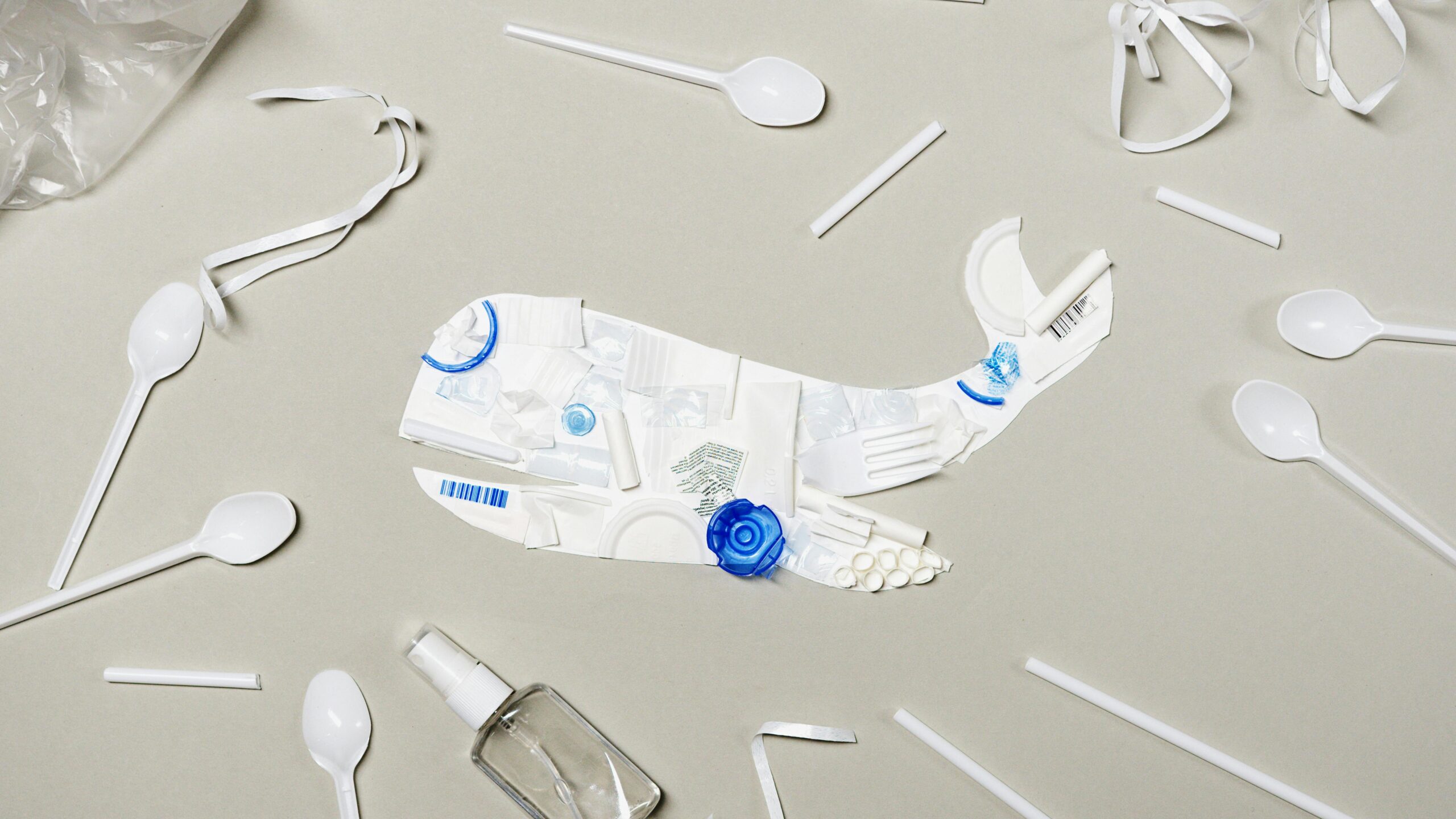
Carry a single reusable spoon — in your bag, lunchbox, or car — and refuse single-use plastic spoons whenever you get take-out meals, drinks, or desserts.This simple daily habit supports SDG 14: Life Below Water by reducing plastic pollution in oceans and rivers — and it also helps protect your health by curbing the spread of microplastics. Why It Matters Every year, 8–11 million tonnes of plastic waste enter the ocean, and single-use utensils like…
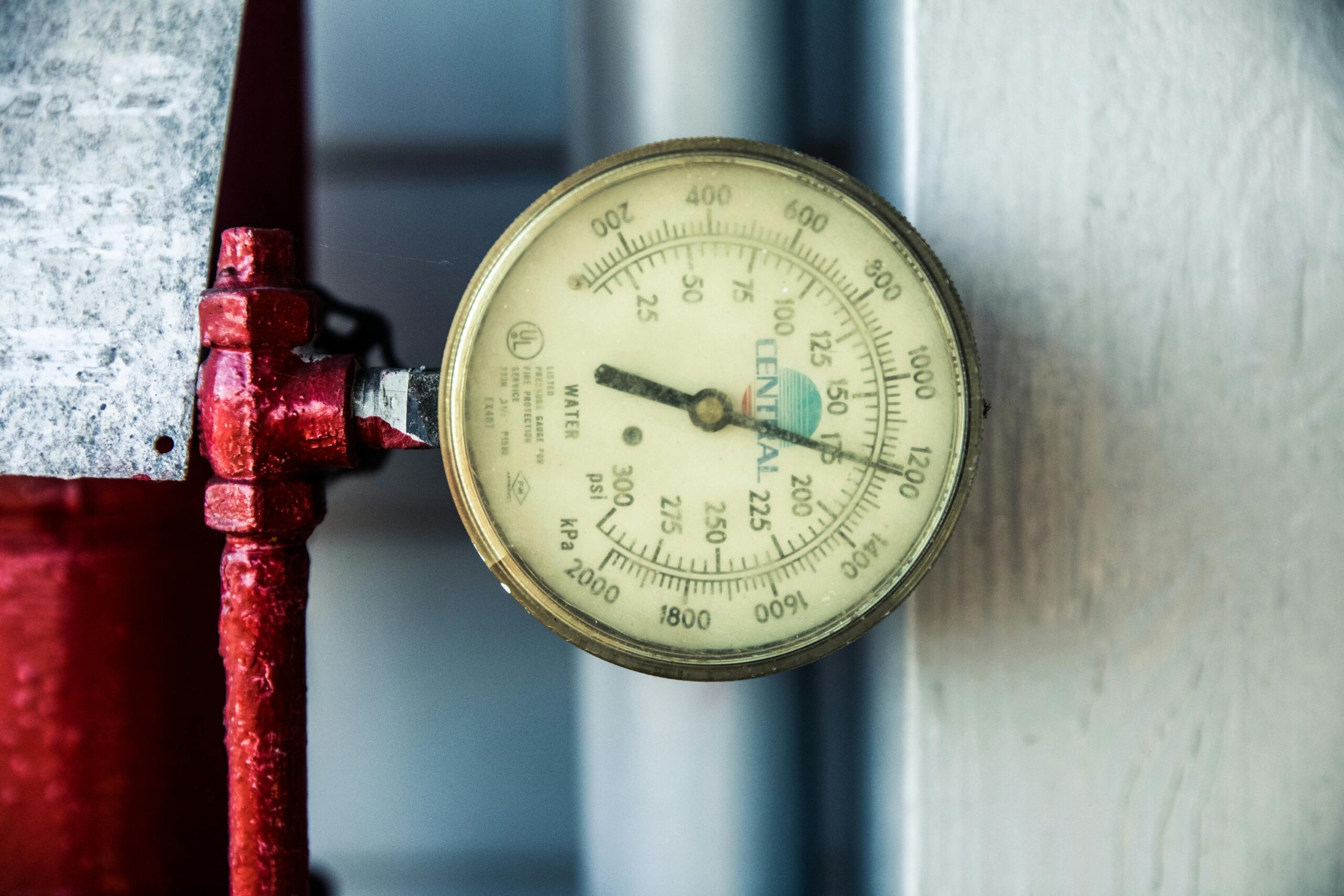
Track to Cut: Reduce Freshwater Waste at Home

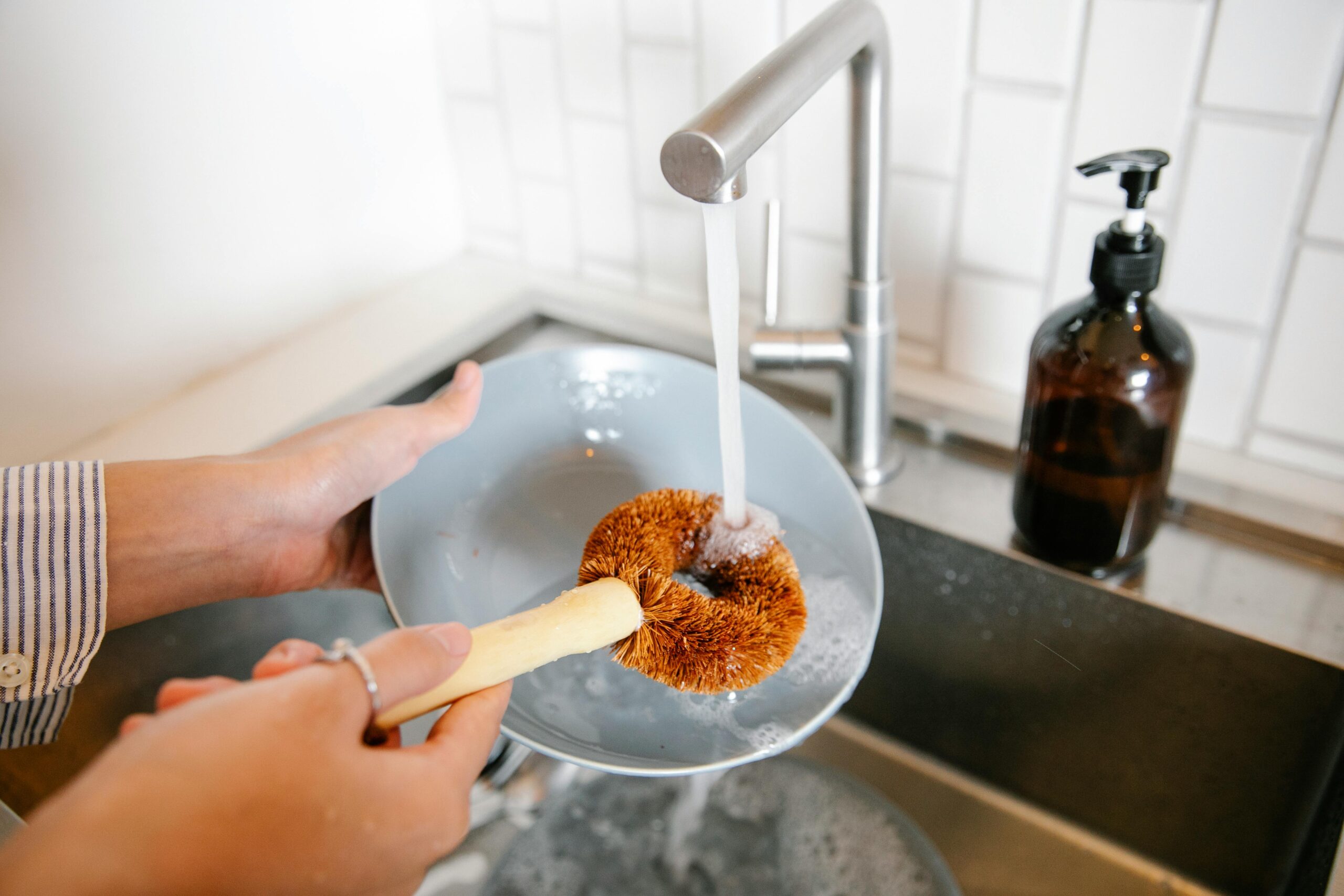
Freshwater may not seem connected to oceans—but the way we use water at home affects entire ecosystems downstream. By simply tracking your daily water use, you can become more aware, reduce waste, and protect freshwater sources before they reach the sea supporting SDG 14: Life Below Water. Why This Small Action Matters On average, a person uses about 80–100 gallons (300–380 liters) of freshwater per day indoors, primarily for activities like showers, laundry, and dishwashing. (Source:…

Wash Smart, Dry Smart: Keep Microplastics Out of Our Oceans

A Simple Laundry Shift That Protects Life Below Water Every time you do laundry, you have the chance to protect marine life. How? By doing two simple things: Use a microfiber-catching laundry bag or filter, and Air-dry your synthetic clothes when possible. These micro-actions help prevent plastic fiber pollution from reaching oceans and rivers, supporting SDG 14: Life Below Water, which aims to reduce marine pollution and preserve aquatic ecosystems. Why This Small Habit Matters Synthetic clothes shed…

The Beach Microplastics Swap: Use Natural Scrubs, Save Oceans

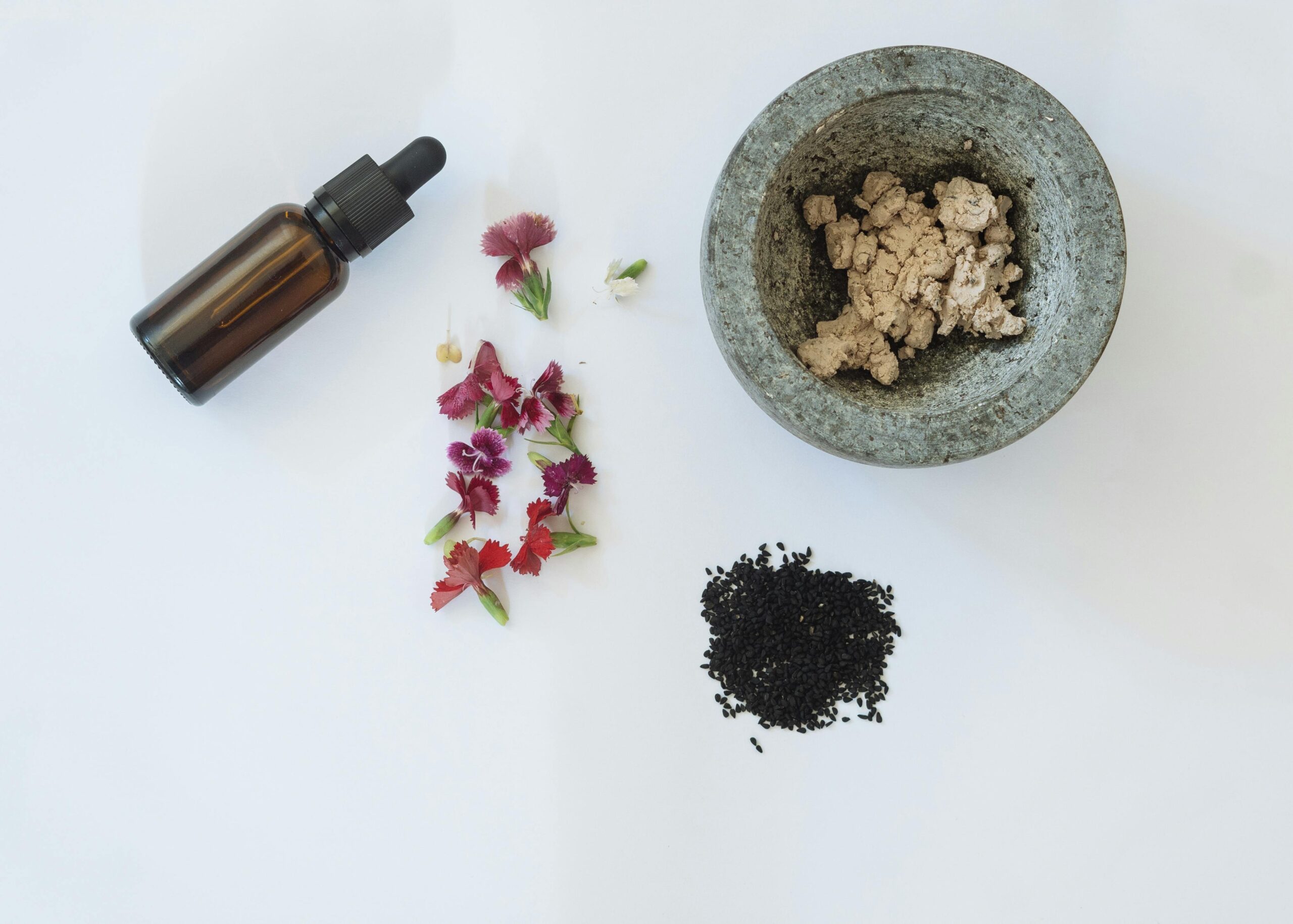
Are those exfoliating products you love washing microplastics into the sea?Many face washes, body scrubs, and toothpastes contain tiny plastic beads that slip past water filters and enter waterways, harming fish, plankton, and marine ecosystems. The Beach Microplastics Swap invites you to switch just one microplastic-laden personal care item to a natural alternative—like a sugar scrub or oatmeal cleanser—once this week. It’s a tiny habit change that supports Sustainable Development Goal 14: Life Below Water.…

Rinse Smart, Save the Ocean

A Tiny Sink-Side Habit to Protect Marine Life - What’s Hiding in Your Drain Could Be Harming the Ocean When you rinse food scraps, sauces, or oily leftovers down the sink, it might seem harmless. But this simple act can contribute to water pollution, which eventually flows into rivers, lakes, and oceans—harming marine life and aquatic ecosystems. By adopting a tiny habit—wiping your plate before rinsing it—you reduce the amount of fats, oils, grease (FOG),…

Bin It for the Blue – Keep Waterways Litter-Free!

Every plastic wrapper, bottle cap, and cigarette butt left on the ground can end up in our rivers, lakes, and oceans. And once it’s there, it doesn’t just disappear. It harms wildlife, pollutes ecosystems, and threatens the health of our planet. But here’s the good news: keeping our waterways clean starts with one simple habit—don’t litter, and encourage others to do the same. This small action supports Sustainable Development Goal (SDG) 14: Life Below Water,…

Reef-Safe Sunscreen

Every year, an estimated 14,000 tons of sunscreen wash into our oceans, threatening coral reefs and marine ecosystems. But you can make a difference with a simple switch to reef-safe sunscreen. This small change supports Sustainable Development Goal 14: Life Below Water by protecting delicate marine habitats and the countless species that depend on them. The Sunscreen Crisis The numbers are alarming: Up to 10% of coral reefs worldwide are threatened by sunscreen-induced bleaching. Just…

Skip the Straw: The No-Straw Challenge

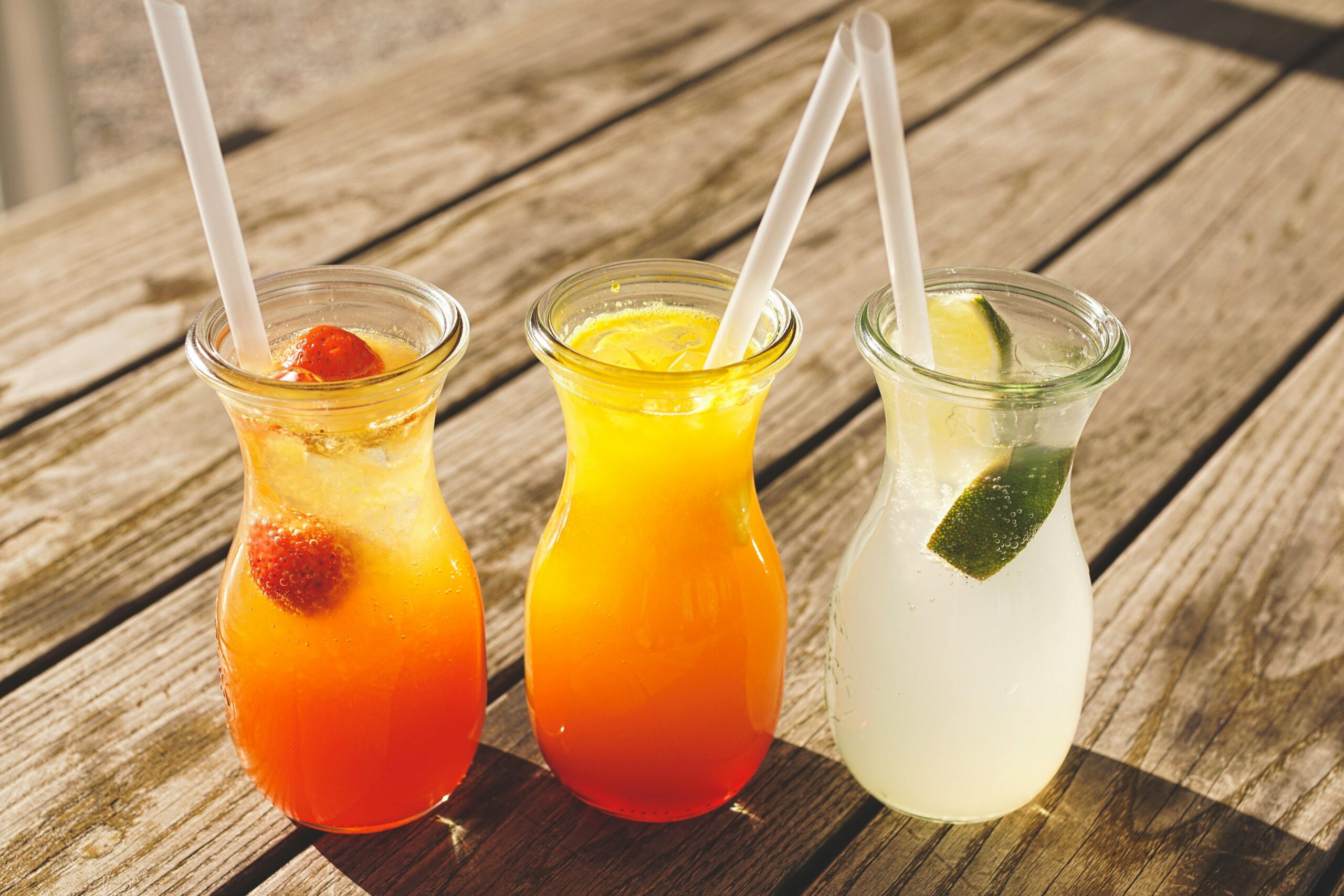
Commit to refusing plastic straws when ordering drinks at restaurants, cafes, or bars. Sip, Don't Suck: How Skipping Straws Can Save Our Oceans In the battle against ocean pollution, sometimes the most powerful actions are the ones we choose not to take. Enter the No-Straw Challenge, a deceptively simple yet impactful way to support Sustainable Development Goal 14: Life Below Water. By simply saying "no" to plastic straws, you can make a significant difference in…