Access to quality education isn’t limited to classrooms—it happens in everyday moments.
United Nations Sustainable Development Goal SDG 4: Quality Education aims to ensure inclusive and equitable quality education and promote lifelong learning opportunities for all.
But with hundreds of millions of people still lacking basic literacy skills, achieving this goal requires not just large-scale systems—but also small, consistent actions in daily life.
What if something as simple as watching TV could contribute to learning?
That’s where this micro-action begins.
Why this matters
Millions of people struggle with reading skills—not just in schools, but in everyday life.
- Around 773 million adults worldwide lack basic literacy skills, limiting access to education, jobs, and essential services (Source: UNESCO)
- Captions improve attention, comprehension, and memory, making it easier for viewers to process and retain information (Source: National Institutes of Health)
- A large meta-analysis of 34 studies found that watching captioned or subtitled videos has a positive effect on vocabulary acquisition and language learning
- (Source: University College London)
- Subtitles can support early reading skills when combined with basic literacy ability, acting as a simple everyday learning tool (Source: Phys.org)
At the same time, we already spend hours consuming video content every week—making this an easy opportunity to turn passive time into learning.
The micro-action
Turn on subtitles (captions) whenever you watch anything.
That’s it. Just one click.
Works on:
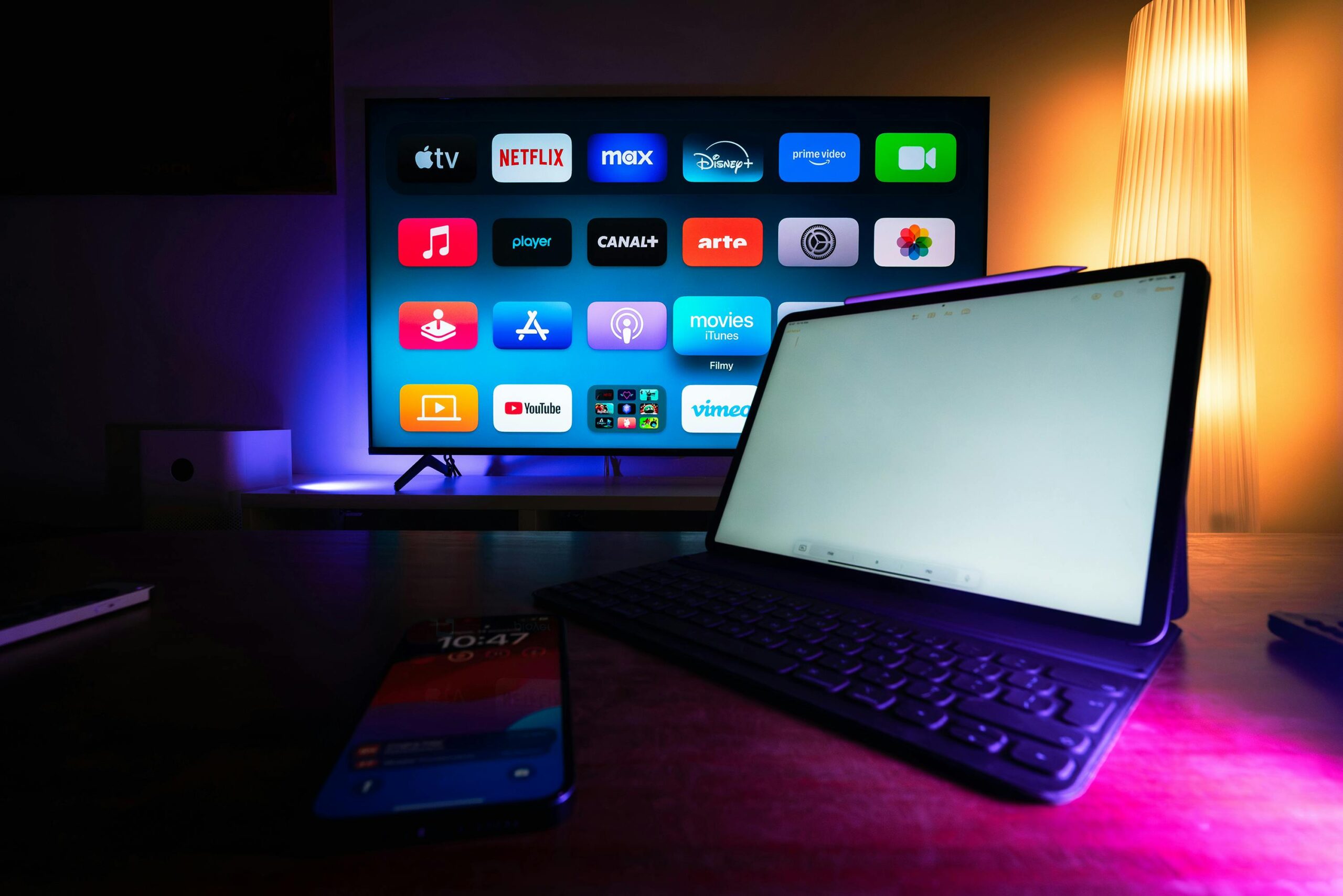
- Netflix, YouTube, Prime Video
- TV shows, movies, even short videos
Why this small action works
This simple habit quietly strengthens learning:
- Adds passive reading practice
You see words while hearing them, reinforcing recognition - Improves comprehension and focus
Studies show captions help viewers better retain information - Builds vocabulary naturally
Repeated exposure to written words improves word familiarity - Supports inclusive learning
Particularly helpful for second-language learners and those with limited literacy access
Even small increases in daily exposure to text can compound over time—especially for households with limited access to books or guided learning.
The bigger picture
Education doesn’t always require extra time—it can be built into what you already do.
SDG 4 focuses on inclusive and equitable quality education for all, including informal learning opportunities at home.
Micro-actions like this:
- Turn passive screen time into active learning
- Increase exposure to written language without effort
- Help bridge literacy gaps—especially in underserved communities
When repeated daily, even small exposures to text can contribute to long-term learning.
Try this: The “Always-On Captions” Challenge
Starting today:
- Turn subtitles ON for everything you watch
For the next 5 days:
- Keep them on—even if you think you don’t need them
Notice:
- New words you pick up
- Better understanding of dialogue
- Improved focus
One small step, bigger impact
You don’t need extra time to learn—you just need to use time differently.
Leave the subtitles on.
Turn everyday watching into everyday learning.